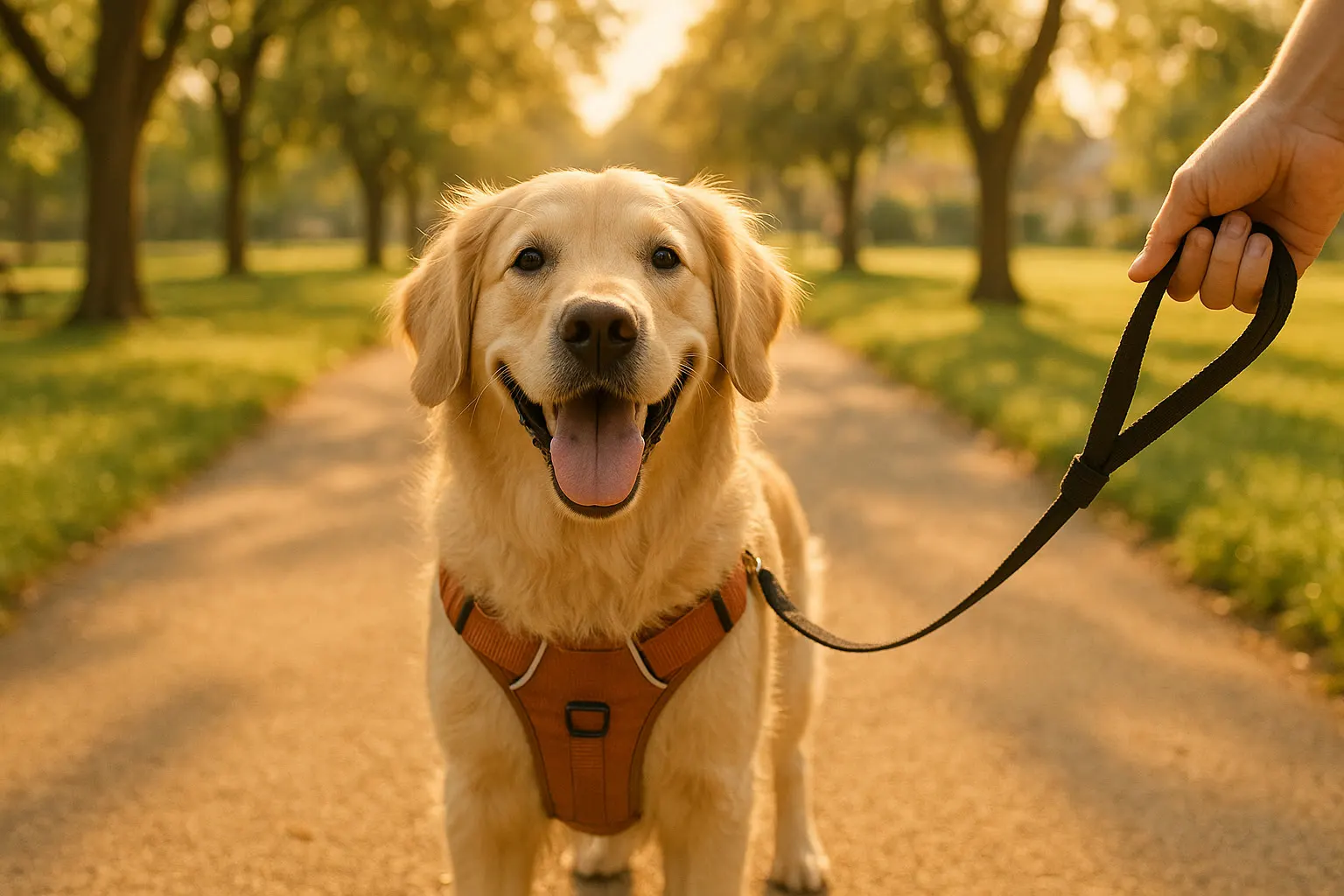
Summer walks can turn risky faster than they look. The AKC warns that hot pavement can injure paw pads, and the ASPCA recommends fresh water, shade, and avoiding overexercise during extreme heat. The practical rule is simple: if the ground is uncomfortable for your hand, it is not a casual walking surface for your dog.
Affiliate disclosure: This guide includes affiliate links. If you buy through them, we may earn a commission at no extra cost to you.Build the Kit
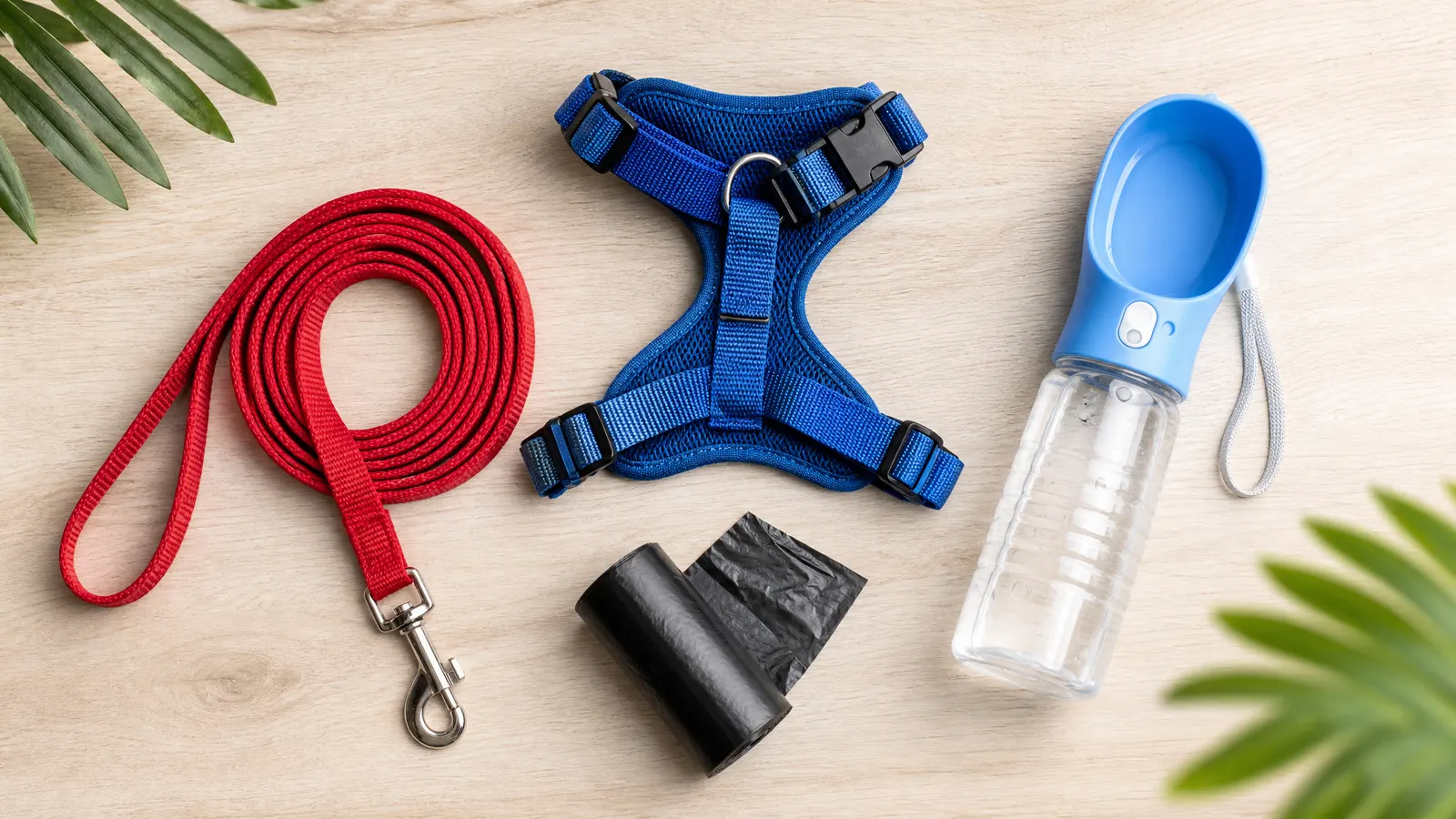
Start with water. A collapsible dog water bowl weighs almost nothing and prevents "we will be home soon" from becoming the plan.
Add paw protection if your route includes asphalt, parking lots, or long exposed sidewalks. Some dogs tolerate dog booties for hot pavement; others need slow practice indoors before they can walk normally in them.
For dogs that will not wear shoes, keep walks short, choose grass and shade, and use a dog paw balm for dry pads. Balm is not armor, but it can help with cracking and routine care.
Change the Walk Schedule
Walk early, late, or not far. A ten-minute sniff walk in shade is better than a heroic noon march on hot concrete.
Carry pickup bags, water, and a basic dog first aid kit in the car or entryway. If you see limping, licking paws, redness, blistering, or reluctance to walk, stop and call your vet.
Apartment Dog Strategy
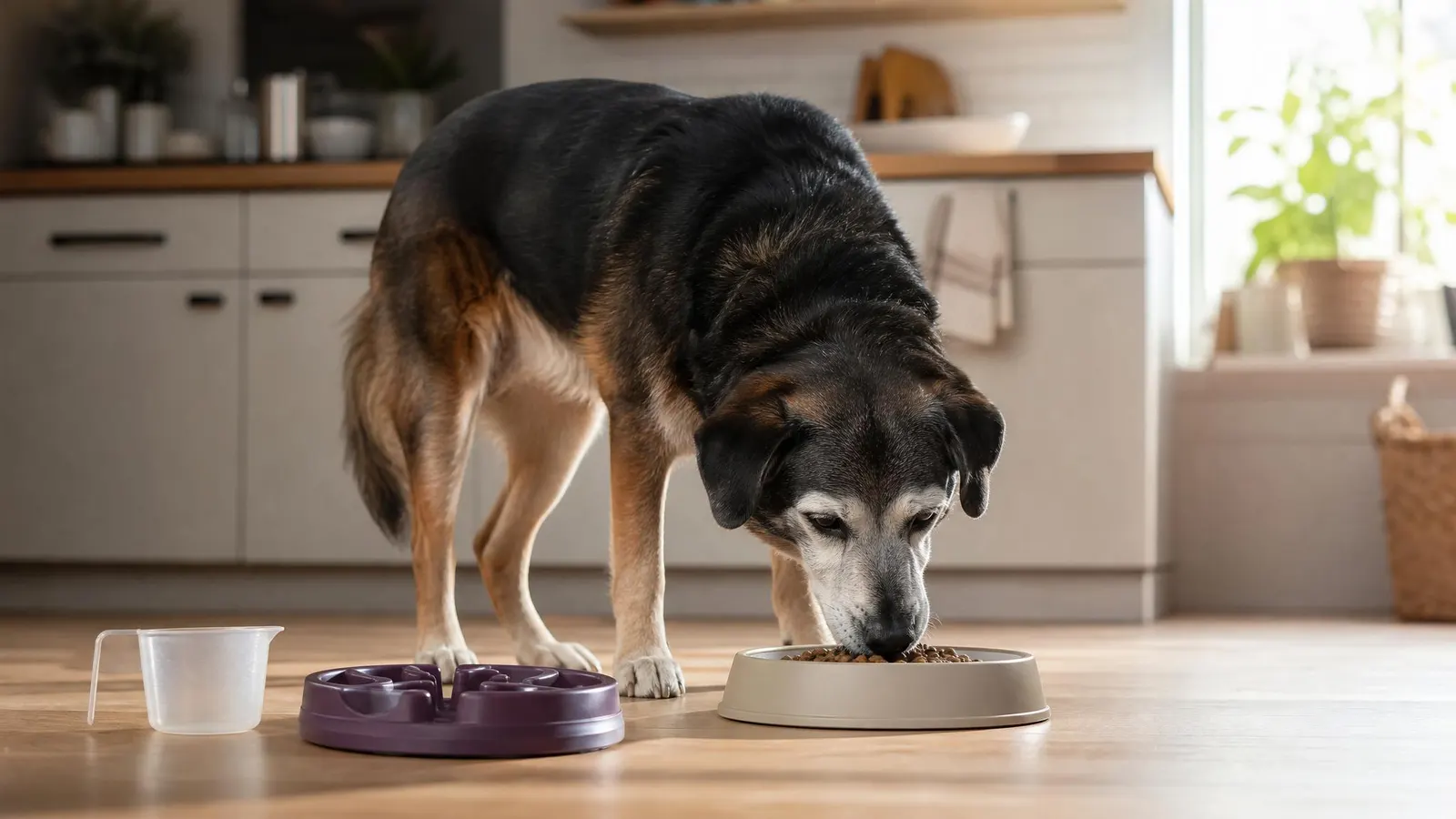
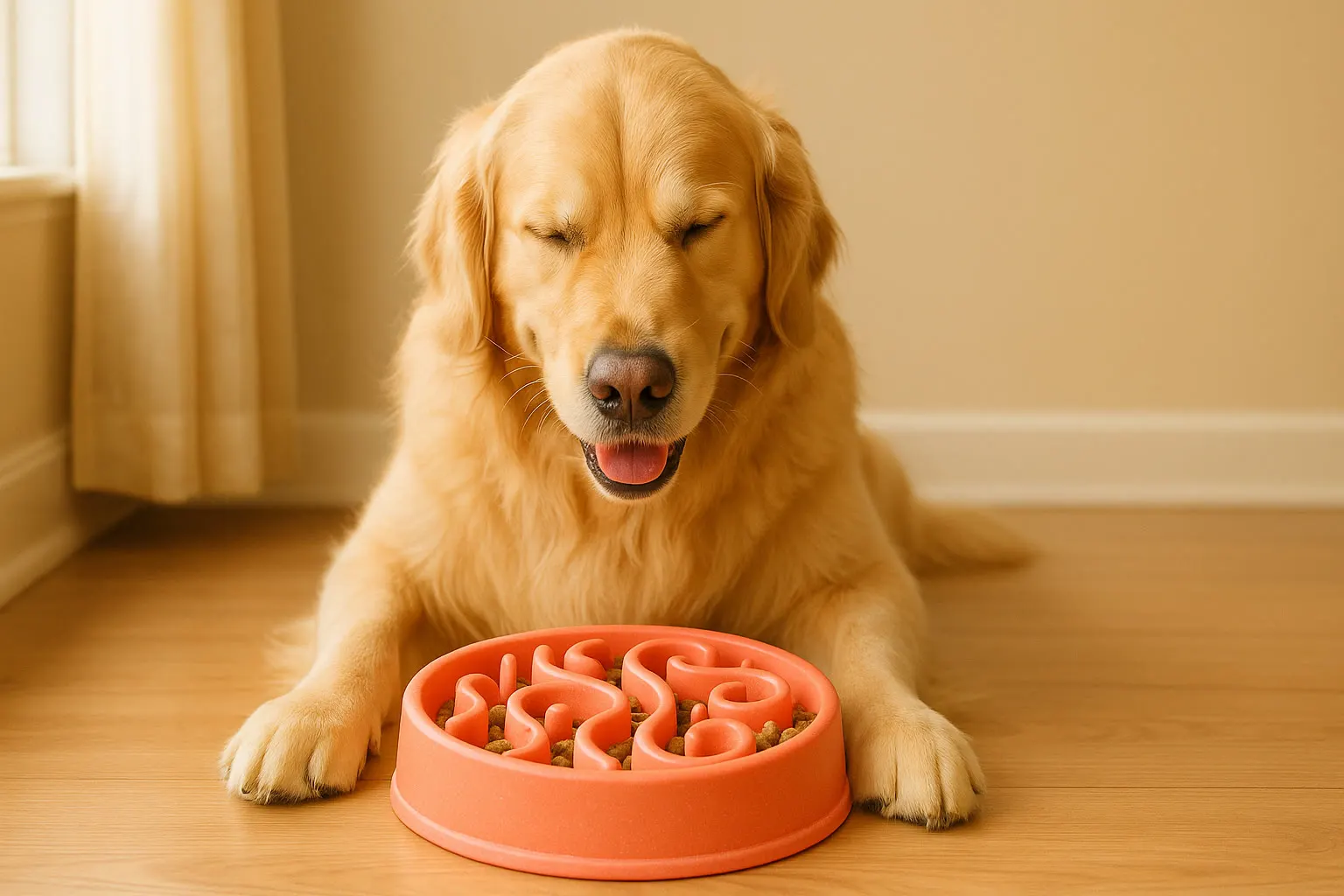
Apartment dogs still need enrichment when midday walks shrink. Replace distance with indoor training, food puzzles, scent games, and short shaded potty breaks.
Try this hot-day rhythm:
- Morning: longer walk while pavement is cool.
- Midday: quick potty break on grass.
- Afternoon: indoor training or sniff game.
- Evening: second real walk after surfaces cool.
Related Guides
Pair this with our walking gear essentials and dog first-aid kit.