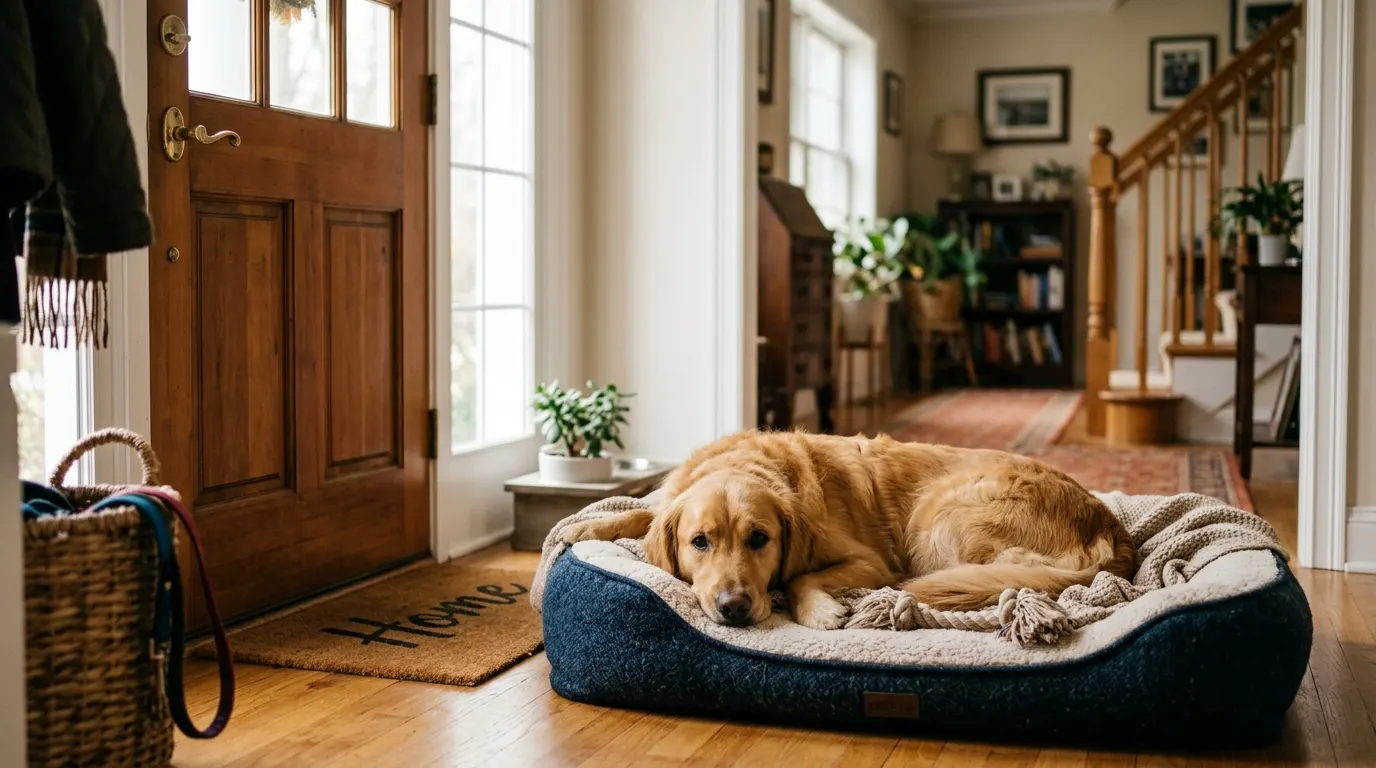
!They always know when it's time
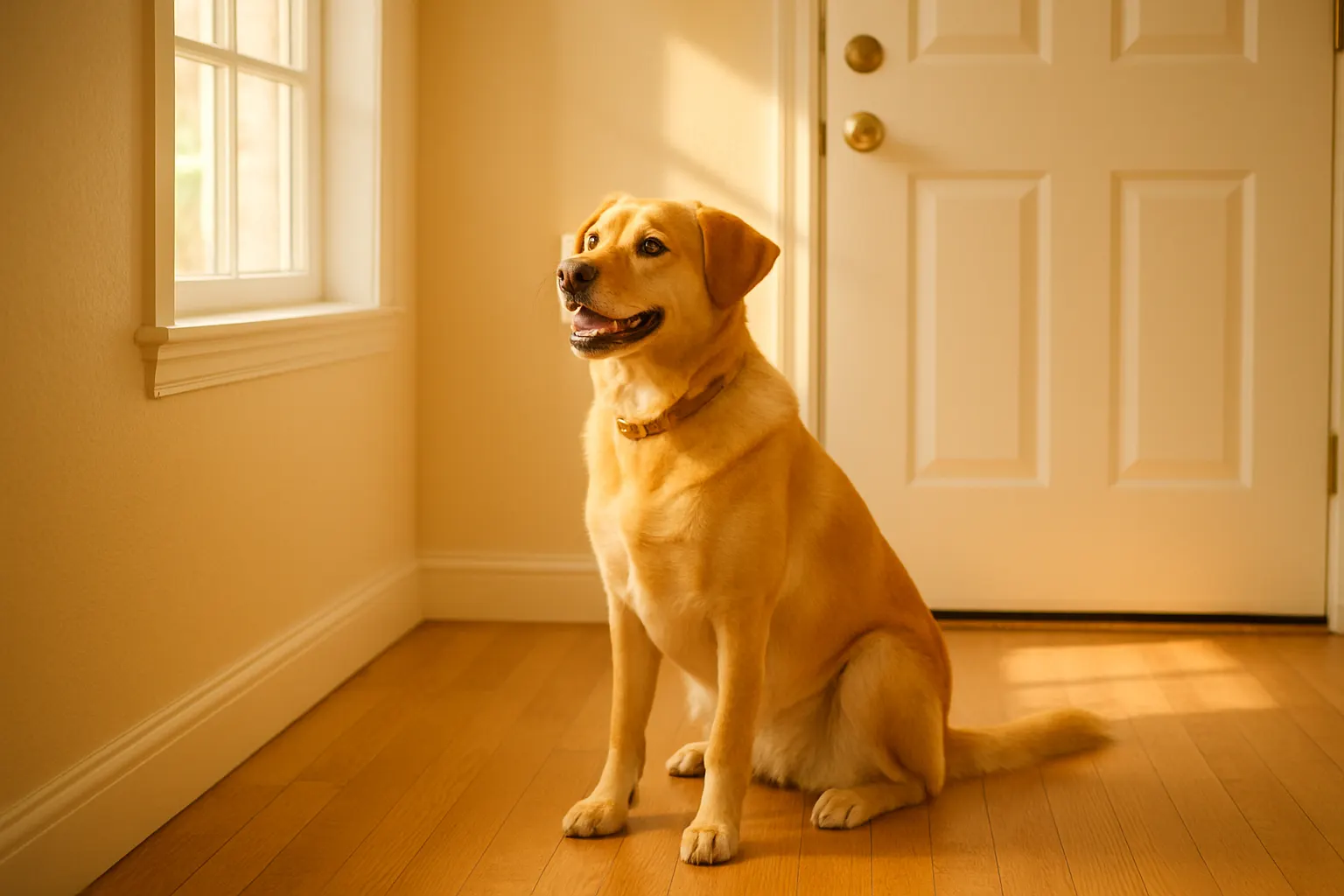
This post contains affiliate links. We may earn a small commission at no extra cost to you.Ever notice how your dog starts hovering near the door about 15 minutes before their usual walk time? Or how they trot to their bowl at exactly the same hour every day, even when you forgot?
They're not psychic. They just love routine — and they're remarkably good at it.
Here's the fun thing: building a consistent routine isn't just good for your dog. It's surprisingly good for you too.
Why Dogs Are Basically Routine Addicts
Dogs experience time differently than we do, but they're deeply tuned into patterns. They learn the sequence of events that signal what comes next — the jingle of keys means walkies, the beep of the coffee maker means you'll sit down soon, the crinkle of a treat bag means something excellent is about to happen.
When your dog knows what to expect, they feel safe. And a dog who feels safe is a dog who can relax, play, and just be happy — instead of spending energy being anxious about what's coming. Predictability isn't boring for dogs. It's comforting.
This is why rescue dogs often blossom so beautifully once they've been in a stable home for a few weeks. The routine itself is part of the healing.
The Building Blocks of a Great Dog Routine
You don't need a military schedule. You need anchors — consistent touchpoints through the day that your dog can count on.
Morning Anchor
This sets the tone for the whole day. It doesn't have to be long, but it should be consistent:
- Wake-up greeting — acknowledge them before your phone
- Morning bathroom break or walk — ideally around the same time
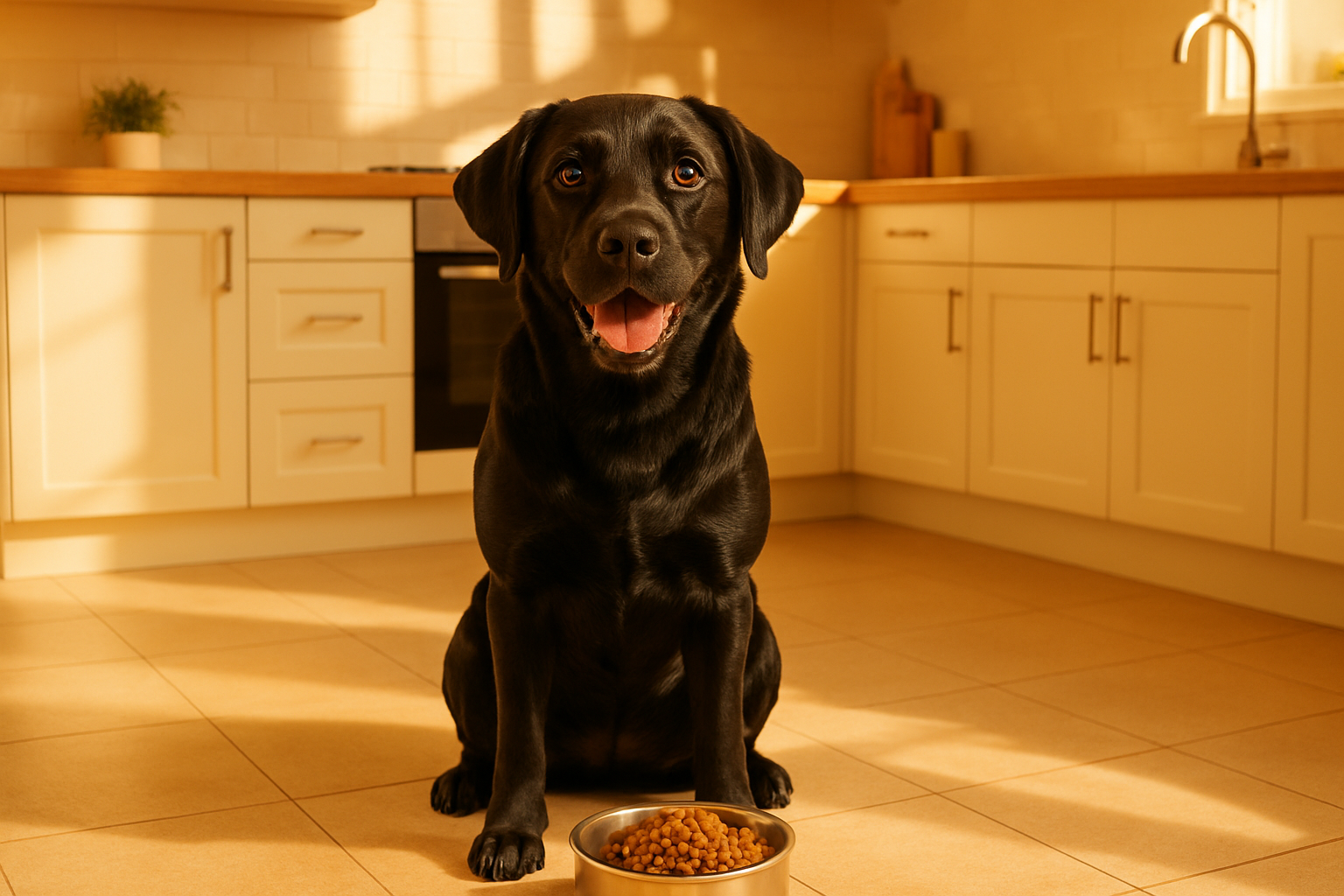
- Breakfast — same time, same bowl, same cue word if you use one
Dogs who have a reliable morning anchor tend to be calmer throughout the day. They've had their needs met early, they know what happened, and they can settle.
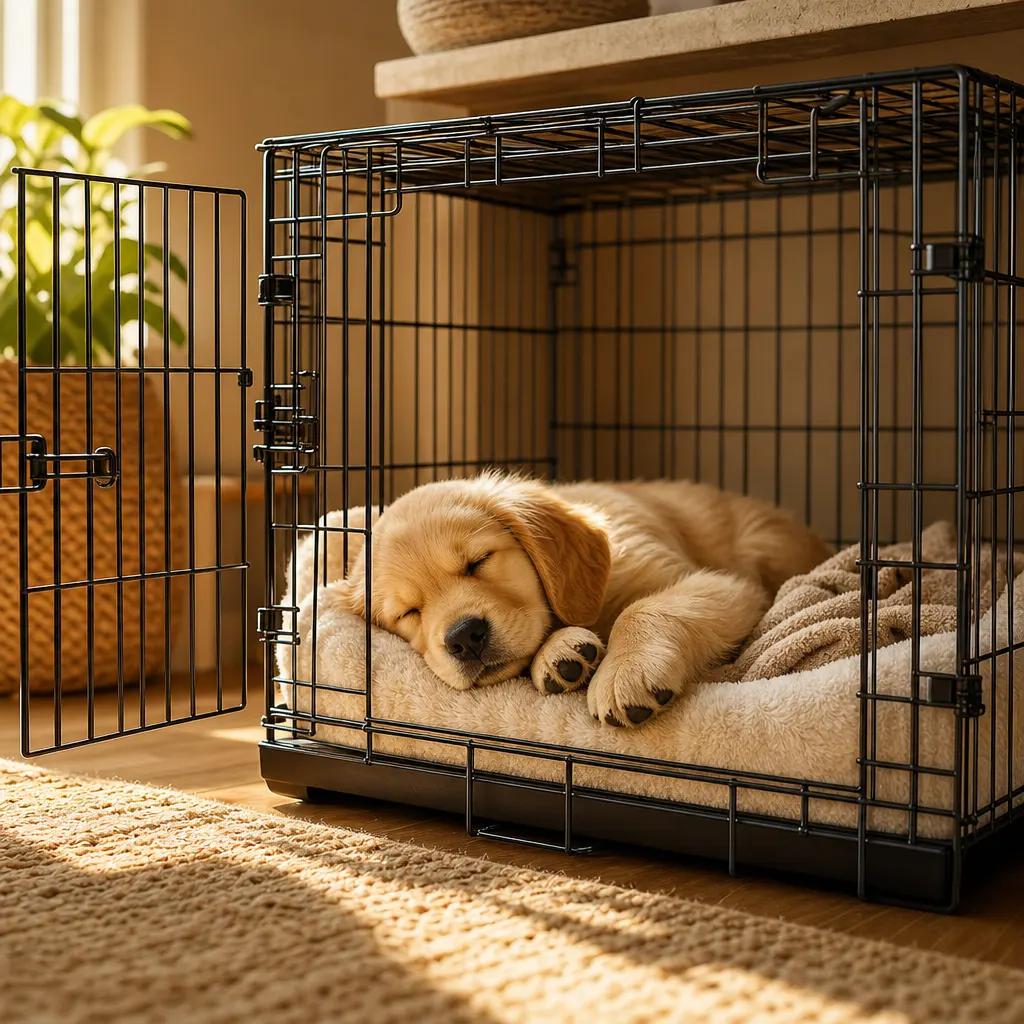
!Routine creates calm, confident dogs
Midday Check-In
If you're home, a quick midday play session or training game breaks up the day beautifully. Even a 10-minute sniff walk counts.
A Kong Classic stuffed with something yummy can also be a great midday enrichment ritual — give it around the same time each day and your dog will start anticipating it with absolute glee.
Evening Wind-Down
The evening routine is often the most loved. Dinner, a walk, some couch time, maybe a little play — in a consistent order, it signals to your dog that the day is settling down. They'll follow your cues and start to wind down themselves.
If your evenings are unpredictable (whose aren't?), even just keeping dinner time and last walk time consistent can make a big difference.
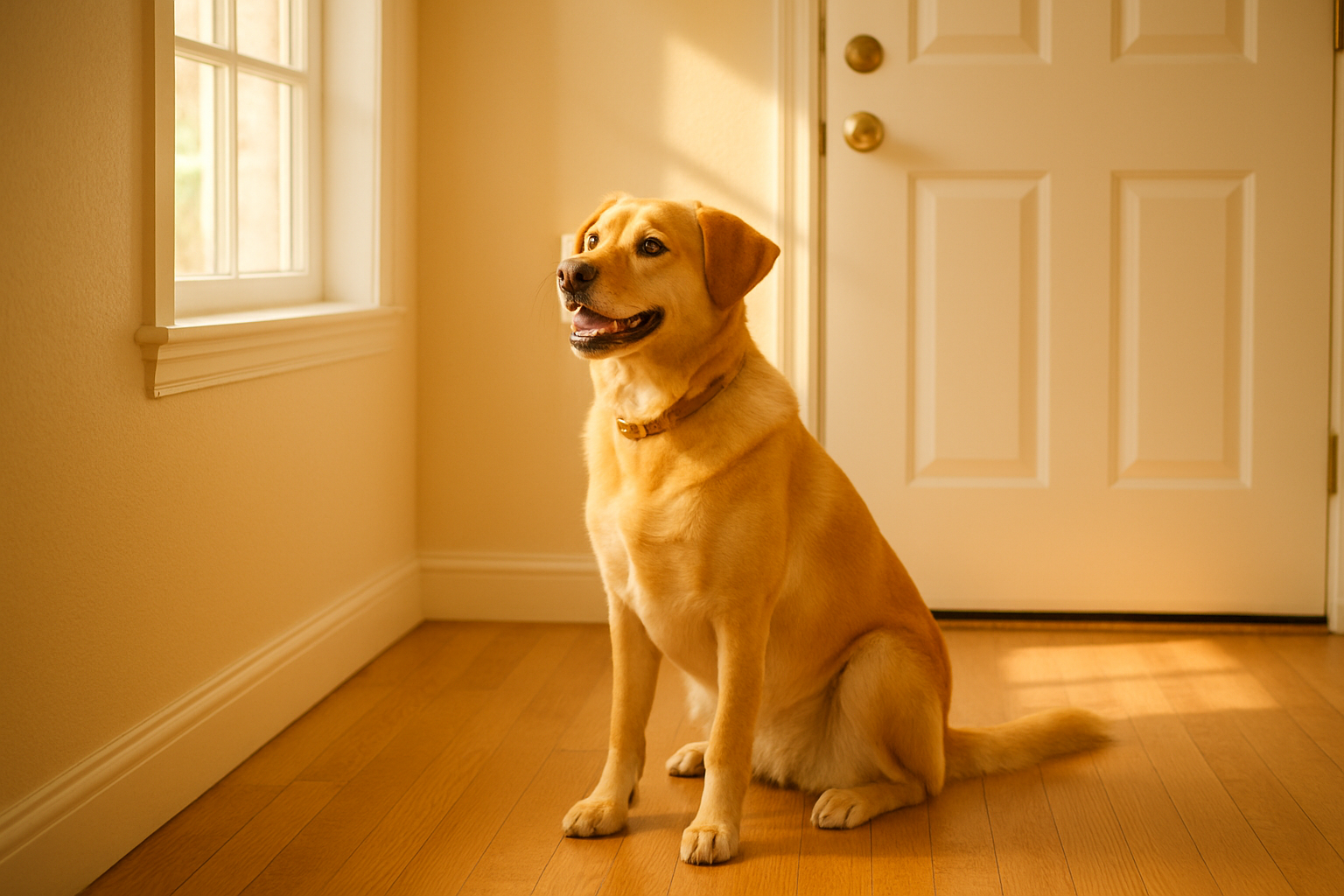
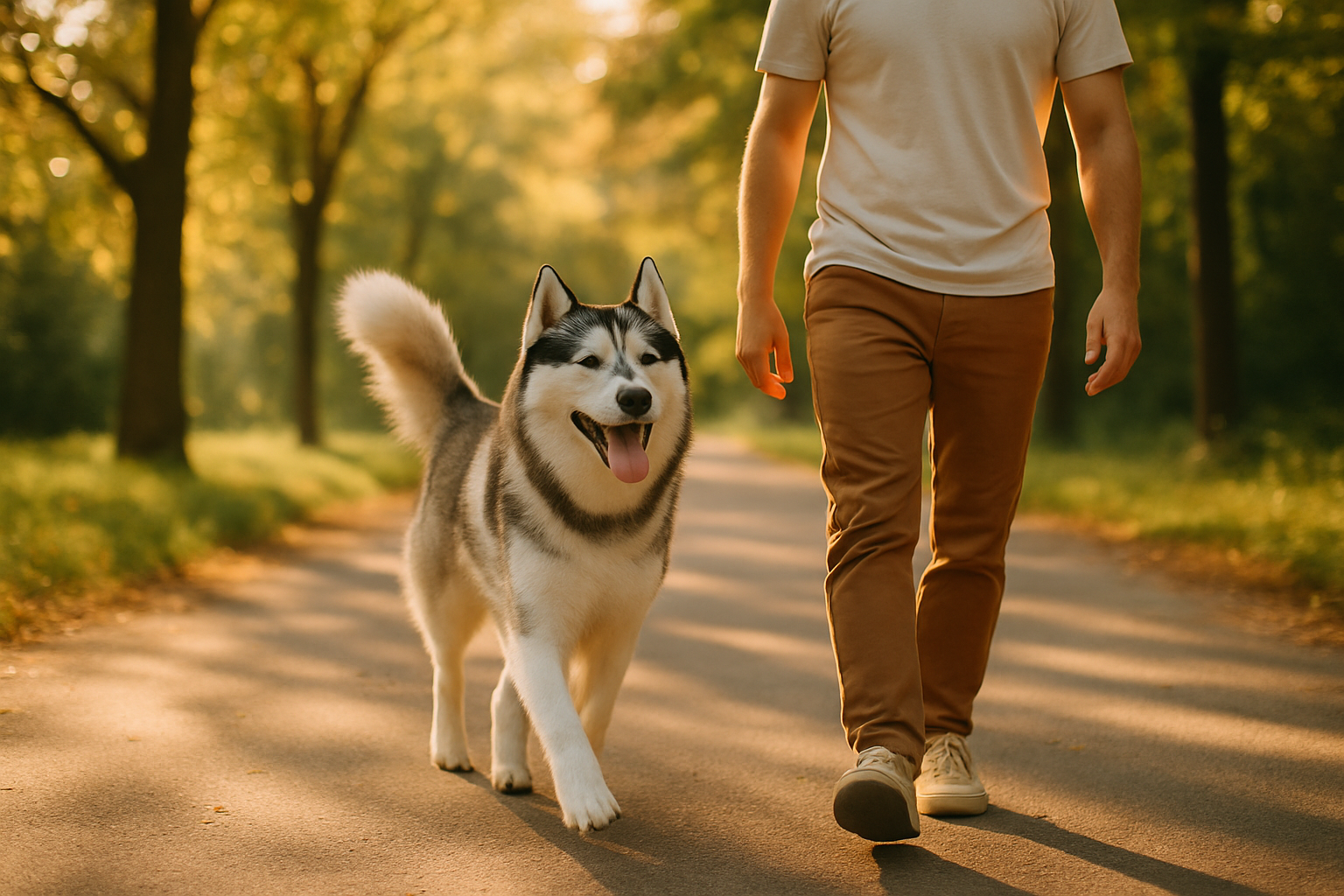
!The same path, the same joy, every single day
How to Actually Build a Routine (For Real Life)
Here's the thing — most routine advice assumes you have a perfectly consistent schedule. Real life is messier than that. Here's how to build a routine that bends without breaking:
Anchor to your existing habits. Walk the dog when you make your morning coffee. Do a quick training game right after your lunch break. Feed them when you sit down for your own dinner. Tying dog activities to things you already do makes them stick. Use consistent cues. The same word for the same thing, every time. "Walk" means walk. "Dinner" means dinner. Dogs learn language fast when it's reliable. Flexibility is fine, wild chaos isn't. An hour or two of variation is totally manageable for most dogs. What they can't handle well is completely unpredictable timing day to day. Aim for consistency, not perfection. Start with just two anchors. Morning routine and evening routine. Once those feel solid and your dog is visibly responding to them (you'll know — that anticipatory wiggle is unmistakable), you can layer in more.Signs Your Dog Is Thriving With Their Routine
- They settle easily when you're busy — they know their time is coming
- They show happy anticipation (wiggles, following you around, bringing toys) right on schedule
- They sleep through the night without restlessness
- They seem generally more relaxed and confident
It's one of those things that's hard to notice until you see it — a dog who knows their world is predictable just carries themselves differently. More settled. More joyful. Less "is everything okay??" energy.
A Sample Daily Routine Template
Here's a loose framework you can adapt:
| Time | Activity |
|---|---|
| Morning | Greeting + bathroom break + breakfast |
| Mid-morning | Walk or outdoor time |
| Midday | Enrichment (puzzle toy, Kong, sniff walk) |
| Afternoon | Chill time / nap |
| Evening | Walk + dinner + play |
| Night | Wind-down, couch time, last bathroom break |
Adjust everything to fit your actual life. The point isn't the specific times — it's the sequence and the consistency.
---
Building a routine for your dog is one of the kindest things you can do for them. And the secret bonus? Dogs are great accountability partners. When your pup is nudging you toward the door at 7am, you're going to get outside — and honestly, that's probably good for you too.
🐾 What's the one routine anchor you're going to start with this week?