The best training treats for dogs are small, soft, easy to chew, and exciting enough that your dog wants to work for them. For most daily training, choose pea-sized treats with simple ingredients and moderate calories. Save extra-smelly, high-value rewards for hard skills like recall, vet handling, or staying calm around distractions.
This post contains affiliate links. We may earn a small commission at no extra cost to you.Training treats are not just snacks. They are communication tools. The right treat helps your dog understand, "Yes, that behavior is worth repeating." The wrong treat can slow the session down, add too many calories, or fail to compete with the squirrel, doorbell, or mystery smell on the sidewalk.
Here is how to pick smart rewards without turning every lesson into a full meal.
What Makes a Good Training Treat?
A good training treat disappears fast. If your dog has to stop, lie down, and chew for 20 seconds, the rhythm of training breaks. Look for small pieces that are soft enough to swallow quickly but not so crumbly that your pocket becomes a dust storm.
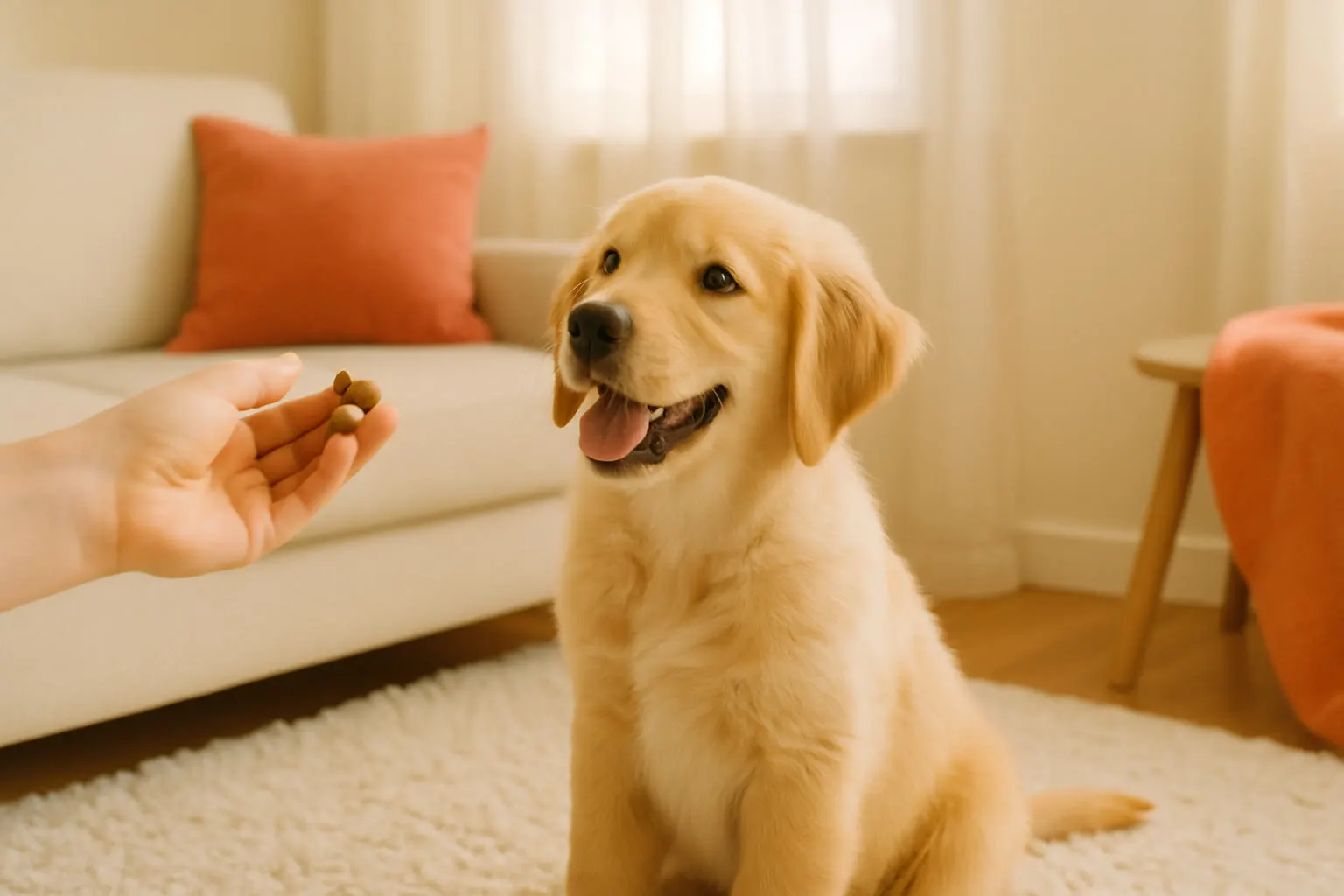
Size matters more than most people think. For a medium dog, a treat about the size of a pea is enough. For tiny dogs, break that in half. The goal is repetition, not a buffet.
Ingredients matter too, especially if you train every day. Many dogs do well with single-protein treats such as chicken, turkey, salmon, or beef liver. If your dog has a sensitive stomach, keep the ingredient list short and introduce new treats slowly. The American Kennel Club has a useful training section that reinforces the same basic principle: rewards work best when they are immediate, consistent, and meaningful to the dog.
Best Types of Training Treats for Dogs
Soft treats are the easiest all-purpose option. They are quick to eat, easy to break apart, and usually more motivating than dry biscuits. A bag of soft dog training treats is a practical starter pick for sit, stay, leash manners, and name recognition.
Freeze-dried treats are excellent when you want simple ingredients and big smell. Freeze-dried liver, chicken, or salmon tends to be high value, so it works well for recall practice, grooming cooperation, and nervous-dog confidence building. Search for freeze dried dog training treats if your dog ignores ordinary snacks outside.
Low-calorie training treats are useful for puppies, small breeds, and dogs working on weight management. Some brands make tiny pieces specifically for repetitive training. You can also use part of your dog's daily kibble for easy behaviors, then switch to better rewards when the environment gets harder.
Treat pouches are not treats, but they make training much easier. A washable dog training treat pouch keeps rewards accessible so you can mark good behavior immediately instead of digging through a jacket pocket while your dog forgets what happened.
Match the Treat to the Job
Not every skill needs the same reward. Think in tiers.
Use everyday treats for easy indoor practice: sit, down, touch, eye contact, and short stays. These should be tasty, but they do not need to be the most exciting food in the house.
Use higher-value treats for harder moments: coming when called, walking past another dog, settling at a cafe, or tolerating nail handling. If your dog is distracted, you may not have a stubborn dog. You may have a reward that is not valuable enough for the situation.
For messy or emotional skills, keep sessions short. If you are working on handling, grooming, or confidence, pair treats with a calm setup. Our clicker training beginner's guide is a good next step if you want cleaner timing and less guesswork.
How Many Training Treats Is Too Many?
Treats count as calories, even when they are tiny. A simple rule is to keep treats around 10% or less of your dog's daily calories unless your vet gives different guidance. That sounds limiting, but small pieces stretch surprisingly far.
Break larger treats into quarters. Use kibble for warm-up reps. Mix high-value pieces into lower-value ones so every handful smells exciting. For longer sessions, reduce meal portions slightly or use the meal itself as the reward.
Watch your dog's stomach, too. Rich treats can cause soft stool if you suddenly use a lot of them. If you are testing a new brand, start with a small amount at home before bringing the whole bag to a busy park.
FAQ
What are the healthiest training treats for dogs?
The healthiest training treats are small, low in unnecessary fillers, and appropriate for your dog's stomach. Single-protein freeze-dried treats, soft low-calorie bites, and pieces of regular kibble can all work. "Healthy" also means using the right amount.
Can I use human food as dog training treats?
Yes, in moderation, if the food is dog-safe. Tiny pieces of plain cooked chicken, turkey, or cheese can be powerful rewards. Avoid toxic foods such as grapes, raisins, onions, garlic-heavy foods, chocolate, and anything sweetened with xylitol.
Are training treats better than praise?
They do different jobs. Praise is useful, but food is clearer and more motivating for many dogs, especially during early learning. Over time, you can mix food rewards with praise, play, sniff breaks, and real-life rewards like going through the door or greeting a friend.
The best training treat is the one your dog will happily work for, your hands can manage quickly, and your routine can support every day. Start small, keep the pieces tiny, and let your dog's focus tell you whether the reward is doing its job.