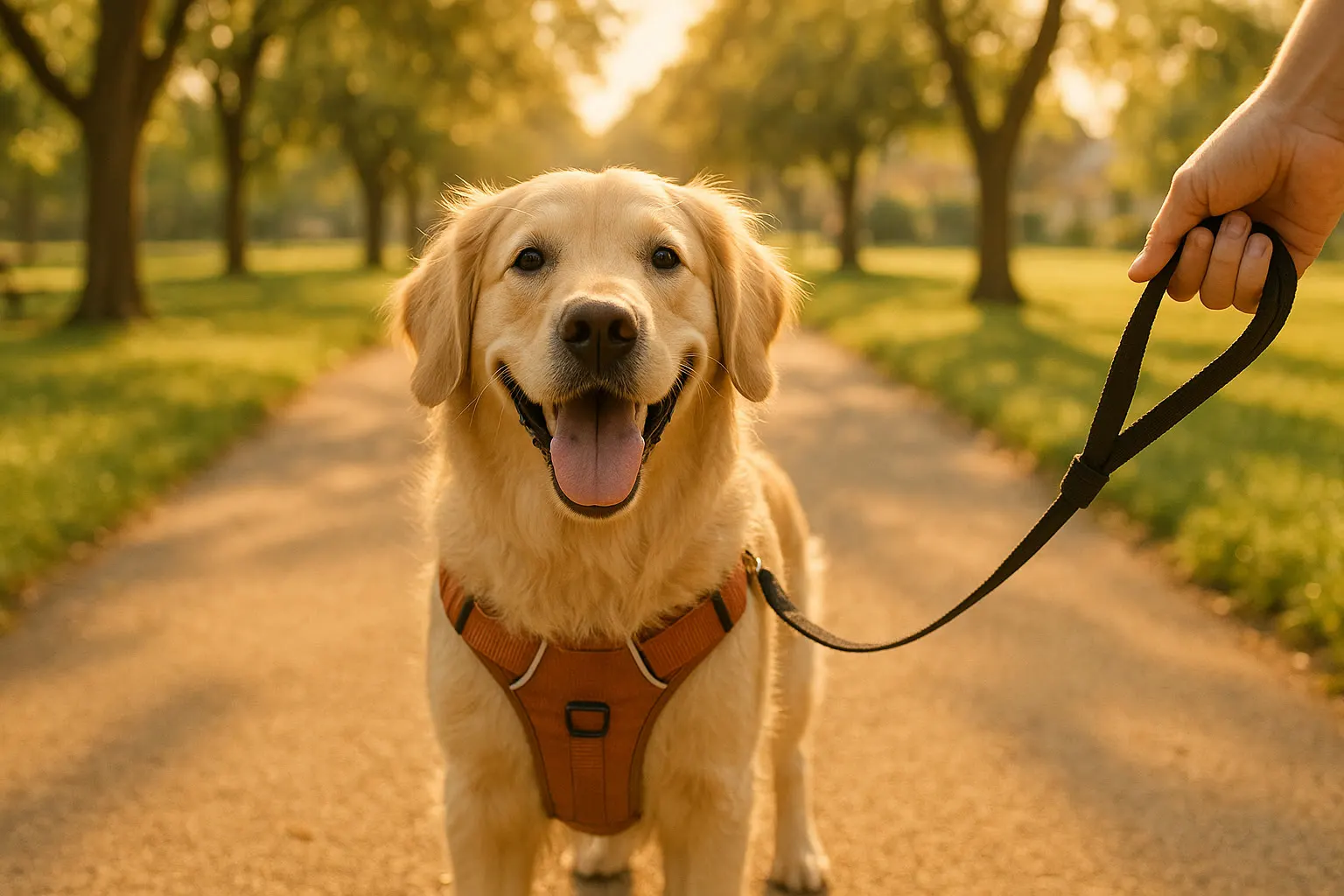
Finding the right harness for a small dog can be a game-changer for both you and your furry companion. Unlike traditional collars, harnesses distribute pressure more evenly across the chest and shoulders, reducing the risk of neck strain, especially for delicate small breeds. A good harness provides better control, enhances safety, and makes your daily walks more enjoyable. But with so many options available, how do you choose the best one?
This post contains affiliate links. We may earn a small commission at no extra cost to you.This guide will walk you through the essential features to consider when shopping for a small dog harness, ensuring you find a perfect blend of comfort, safety, and style.
Why a Harness is a Great Choice for Small Dogs
Small breeds like Chihuahuas, Pomeranians, and Yorkshire Terriers are prone to tracheal collapse, a condition where the windpipe can be easily damaged. A collar pulls directly on the neck, which can cause or worsen this issue. A harness, by contrast, moves the point of pressure to the stronger parts of the dog's body, like the chest and back.
Beyond safety, harnesses can also discourage pulling. A front-clip harness, for example, gently redirects your dog's momentum towards you when they try to pull, making it an effective training tool without causing discomfort.
Key Features to Look For
When you start your search, keep these critical features in mind to ensure you get a high-quality product that lasts.
1. The Right Fit and Adjustability
A proper fit is non-negotiable. A harness that's too loose can be easily escaped, while one that's too tight will chafe and restrict movement. Look for harnesses with multiple points of adjustment—usually around the neck and chest. This allows you to create a snug but comfortable fit tailored to your dog's specific shape. Always measure your dog's chest girth (the widest part of their ribcage) and compare it to the manufacturer's sizing chart.
For a great adjustable option, consider something like the Puppia Soft Harness, which is a popular choice known for its comfortable design and reliable fit for many small breeds.
2. Material and Comfort
Your dog will be wearing this harness on every walk, so the material matters. Look for soft, breathable fabrics like mesh or padded nylon that won't irritate your dog's skin. The hardware—buckles and D-rings—should be sturdy and secure. Lightweight materials are often best for smaller dogs, as a heavy harness can be cumbersome for them.
3. Ease of Use
Some harnesses can feel like you're solving a puzzle just to get them on. A simple, step-in design or one with quick-release buckles can make your life much easier, especially if you have a dog who gets anxious or wiggly when it's time to go out. Before you buy, think about how easy it will be to put on and take off every day.
Many owners appreciate the simplicity of a good step-in design. You can find a variety of highly-rated step-in dog harnesses that make gearing up for a walk quick and painless.
4. Safety Features
For walks in the early morning or late evening, visibility is key. Reflective stitching or bright colors can help make your small dog more visible to drivers, cyclists, and other pedestrians. Additionally, ensure the D-ring for leash attachment is securely stitched and made of durable metal. A front-clip option is also a great safety and training feature for dogs that tend to pull.
Making the Final Choice
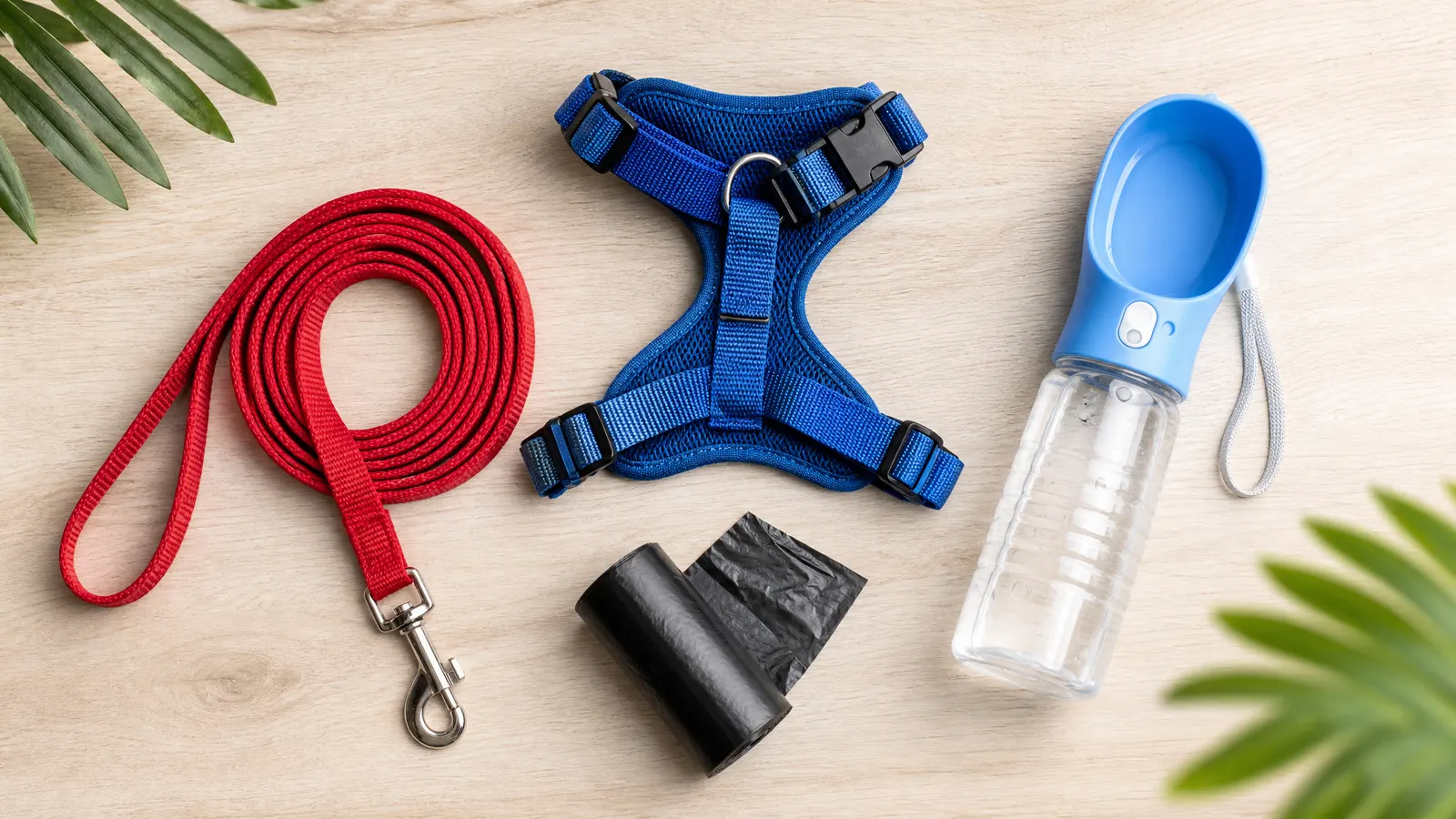
Choosing the right harness is an investment in your dog's comfort and safety. By focusing on a secure fit, comfortable materials, and user-friendly design, you can find a harness that makes your walks, hikes, and adventures better than ever. Don't forget to pair it with a durable and lightweight dog leash to complete your walking setup. Happy walking!