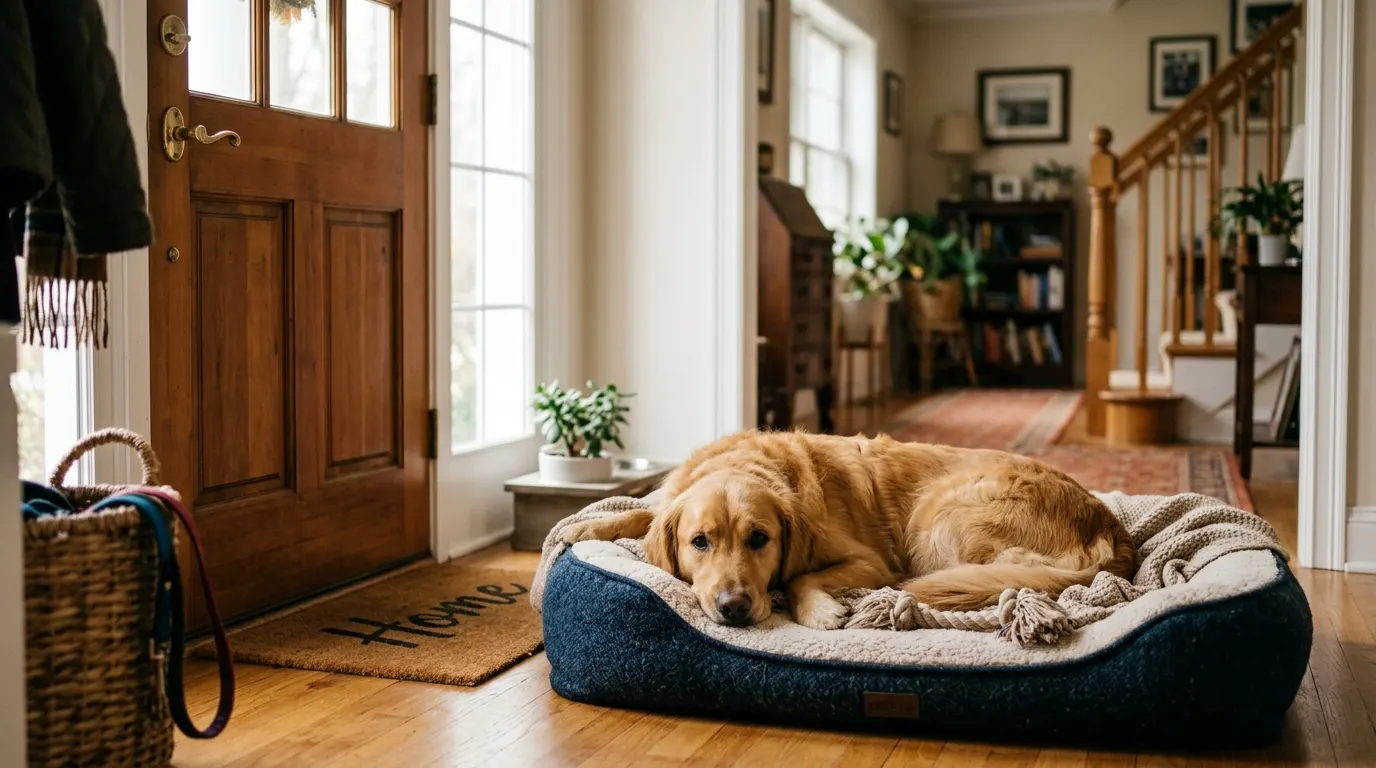
Separation anxiety is one of the most common — and most misunderstood — behavioral issues in dogs. If your pup turns into a whirlwind of destruction the moment you grab your keys, you're not alone. Here's what you need to know and, more importantly, what you can do about it.
This post contains affiliate links. We may earn a small commission at no extra cost to you.TL;DR: Quick Answers About Dog Separation Anxiety
Separation anxiety happens when a dog becomes severely distressed after being left alone. It goes beyond normal loneliness — it's a panic response. Signs include destructive behavior, excessive barking, and accidents indoors, all happening only when you're gone. The good news: it's treatable. A combination of desensitization training, enrichment tools, and in some cases calming supplements can dramatically reduce your dog's distress over time.
---
What Does Separation Anxiety Actually Look Like?
Dogs can't tell us they're panicking, so they show it. Recognizing the signs early is the first step toward helping your dog.
Classic signs of separation anxiety include:- Destructive chewing or scratching, especially near doors and windows
- Howling, barking, or whining that neighbors notice but you never hear
- Accidents inside the house despite being fully housetrained
- Pacing, drooling, or trembling when you prepare to leave
- Refusing to eat while alone, even with food left out
- Overly intense greetings when you return — not just happy, but desperate
One important distinction: true separation anxiety is triggered by your absence, not boredom. If your dog destroys the couch on a lazy Sunday afternoon while you're home, that's a different problem (probably boredom or inadequate exercise).
---
What Causes It?
Separation anxiety isn't a sign of a "bad dog." Several factors can contribute:
- Rescue or rehoming history — dogs who've experienced abandonment are more prone to attachment fears
- Sudden routine changes — returning to the office after working from home, for example
- Lack of early alone-time training — puppies who were never taught to be comfortable solo
- Certain breeds — Velcro breeds like Vizslas, Border Collies, and German Shepherds are more predisposed
- Traumatic events — a prolonged illness, a move, or losing a companion animal
Understanding the why can help you tailor your approach.
---
Practical Strategies That Actually Work
There's no overnight fix for separation anxiety, but consistency brings real results. Here's a proven toolkit:
1. Desensitization Training (The Core Fix)
This is the gold standard recommended by behaviorists and the American Veterinary Society of Animal Behavior (AVSAB). The idea: repeatedly expose your dog to your departure cues (grabbing keys, putting on shoes) without actually leaving, so those cues stop triggering panic.
Then gradually increase actual alone time — starting with seconds, not minutes. Yes, seconds. It sounds tedious, but it works because you're rewriting the emotional response, not just suppressing it.
2. Give Them a High-Value Departure Activity
A frozen KONG stuffed with peanut butter or kibble is a classic for a reason. It gives your dog a positive, consuming task to start when you leave, and it pairs your departure with something good. Use the frozen KONG only when leaving — this keeps it special.
For serious chewers, a long-lasting chew like a bully stick or a Nylabone Power Chew can bridge the emotional gap during departures.
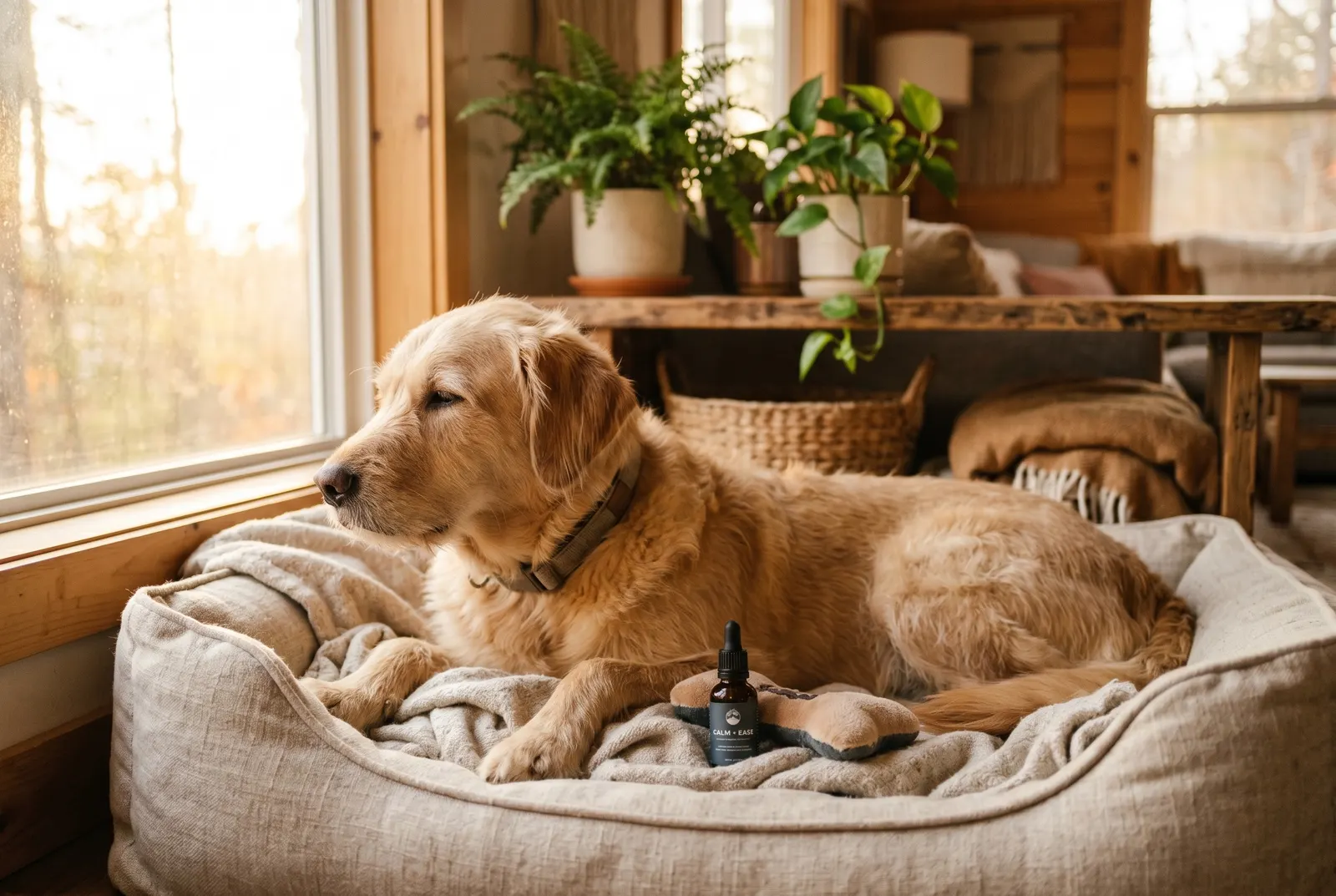
3. Consider a Calming Supplement or Aid
While not a substitute for training, calming products can take the edge off enough for training to be effective. Options include:
- Calming chews with L-theanine and melatonin, like Zesty Paws Calming Bites
- Pheromone diffusers like the Adaptil Calm Home Diffuser, which plug into the wall and release dog-appeasing pheromones 24/7
- Anxiety wraps that apply gentle pressure, similar to swaddling — useful for dogs who panic when you're getting ready to leave
We cover many of these in depth in our best calming products for anxious dogs guide.
4. Exercise Before You Leave
A tired dog is a calmer dog. A solid 30-minute walk or play session before you head out burns off nervous energy and naturally raises relaxation hormones. This won't cure separation anxiety on its own, but it consistently reduces its intensity.
5. Create a Safe Den Space
Some dogs do better when confined to a comfortable, familiar space rather than having the run of the house. A well-introduced crate can become a genuine safe haven. Check out our guide to crate training for step-by-step setup advice.
---
When to Call a Professional
If the anxiety is severe — your dog injures themselves trying to escape, or your neighbors are filing complaints — DIY training has its limits. A certified applied animal behaviorist (CAAB) or a vet who specializes in behavioral medicine can assess whether prescription medication (like fluoxetine or clomipramine) is warranted alongside behavioral therapy. Medication isn't a crutch; for severe cases, it can make training possible when panic has completely taken over.
---
FAQ
What's the difference between separation anxiety and boredom?
Boredom manifests whenever a dog doesn't have enough stimulation, whether you're home or not. Separation anxiety is specifically triggered by your absence and involves genuine panic — increased heart rate, cortisol spike, the works. Video your dog after you leave for 15–20 minutes; if the destructive or distressed behavior starts within the first few minutes and continues until you return, that's a strong indicator of separation anxiety rather than boredom.
How long does it take to treat separation anxiety in dogs?
Mild cases can improve in a few weeks with consistent desensitization practice. Severe cases may take several months of daily work, and some dogs benefit from ongoing management strategies. Patience is non-negotiable. Rushing the process — like suddenly leaving for 8 hours when your dog isn't ready — can set training back significantly.
Can separation anxiety get worse as dogs age?
Yes, it can. Senior dogs experiencing cognitive decline (canine cognitive dysfunction) sometimes develop anxiety for the first time in old age, or existing anxiety worsens. Changes in routine, vision or hearing loss, and reduced physical resilience all contribute. If your older dog is suddenly anxious, a vet check is a good starting point to rule out medical causes.
---
Every dog deserves to feel safe — even when you can't be there. With time, the right tools, and a consistent routine, most dogs make real, lasting progress.