Long-haired dog breeds like Golden Retrievers, Collies, and Shih Tzus are undeniably stunning, but their glorious coats require dedicated care to stay healthy and beautiful. Without regular grooming, long fur can quickly become a tangled, matted mess, causing discomfort and even skin problems for your beloved pet.
This post contains affiliate links. We may earn a small commission at no extra cost to you.This guide will walk you through the essentials of grooming your long-haired companion, from the right tools to the best techniques to keep them looking and feeling their best.
The Importance of Daily Brushing
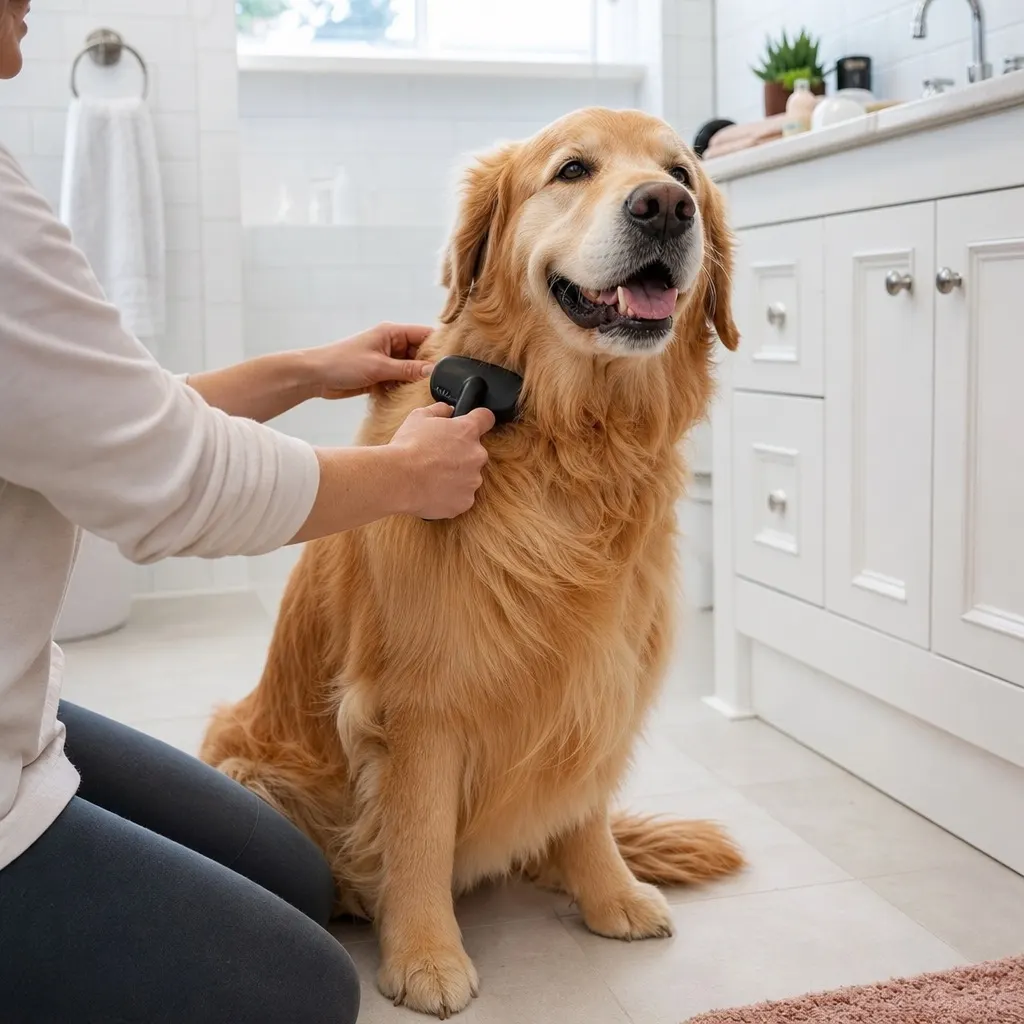
For long-haired dogs, brushing isn't an occasional task—it's a daily necessity. Daily brushing removes loose hair, dirt, and debris, preventing the formation of painful mats and tangles. It also helps distribute natural oils throughout the coat, promoting a healthy shine.
Start by choosing the right brush. A slicker brush is excellent for removing undercoat and loose fur, while a pin brush works well for the topcoat. For tougher tangles, a steel comb is indispensable.
Pro-Tip: Make brushing a positive experience. Start with short sessions, use a calm and reassuring voice, and reward your dog with treats and praise. This builds a positive association with grooming time.Essential Grooming Tools for Your Kit
Having the right equipment is half the battle. A well-stocked grooming kit will make your job easier and more effective.
- Slicker Brush: The fine, short wires on a slicker brush are perfect for working through tangles and removing loose undercoat. They are a must-have for any long-haired breed.
- Pin Brush or Bristle Brush: Great for finishing and smoothing the topcoat, a pin brush helps distribute oils and leaves the fur looking sleek.
- Steel Comb (or "Greyhound" Comb): Use a comb to gently work out stubborn knots and to check your work after brushing. A quality grooming comb with both wide and narrow teeth is incredibly versatile.
- De-shedding Tool: During shedding season, a de-shedding tool can be a lifesaver. It reaches deep into the undercoat to remove vast amounts of loose fur before it ends up on your furniture. Look for a popular model like the FURminator, which is designed specifically for long-haired breeds.
- Detangling Spray: A good conditioning or detangling spray can make brushing much smoother, helping to break up small knots without pulling on your dog's skin.
Bathing Your Long-Haired Dog
While daily brushing is key, regular baths are also crucial. How often you bathe your dog depends on their breed, lifestyle, and skin condition, but a bath every 4-6 weeks is a good baseline.
Always brush your dog thoroughly before a bath. Water can tighten existing mats, making them nearly impossible to remove. Use a high-quality dog shampoo and conditioner formulated for long coats to help keep the fur moisturized and manageable. Rinse thoroughly to prevent skin irritation from leftover product.
After the bath, gently towel-dry your dog. Avoid vigorous rubbing, which can create new tangles. If your dog tolerates it, a blow dryer on a low, cool setting can help dry the coat completely and leave it looking fluffy and fresh.
Tackling Mats and Tangles Safely
If you find a mat, work on it patiently. Never try to cut it out with scissors, as it's dangerously easy to cut your dog's skin, which tends to get pulled up into the base of the mat.
Instead, use your fingers to gently pull the mat apart. Apply a detangling spray and use a steel comb, starting from the outside of the mat and working your way in. For severe matting, it's always safest to consult a professional groomer. They have the tools and expertise to remove mats safely without causing pain or injury.
To reward your pup for their patience during a tough grooming session, consider a durable chew toy to keep them happily occupied afterward. A well-groomed dog is a happy dog, and with a consistent routine, you can ensure their magnificent coat remains a source of pride, not pain.