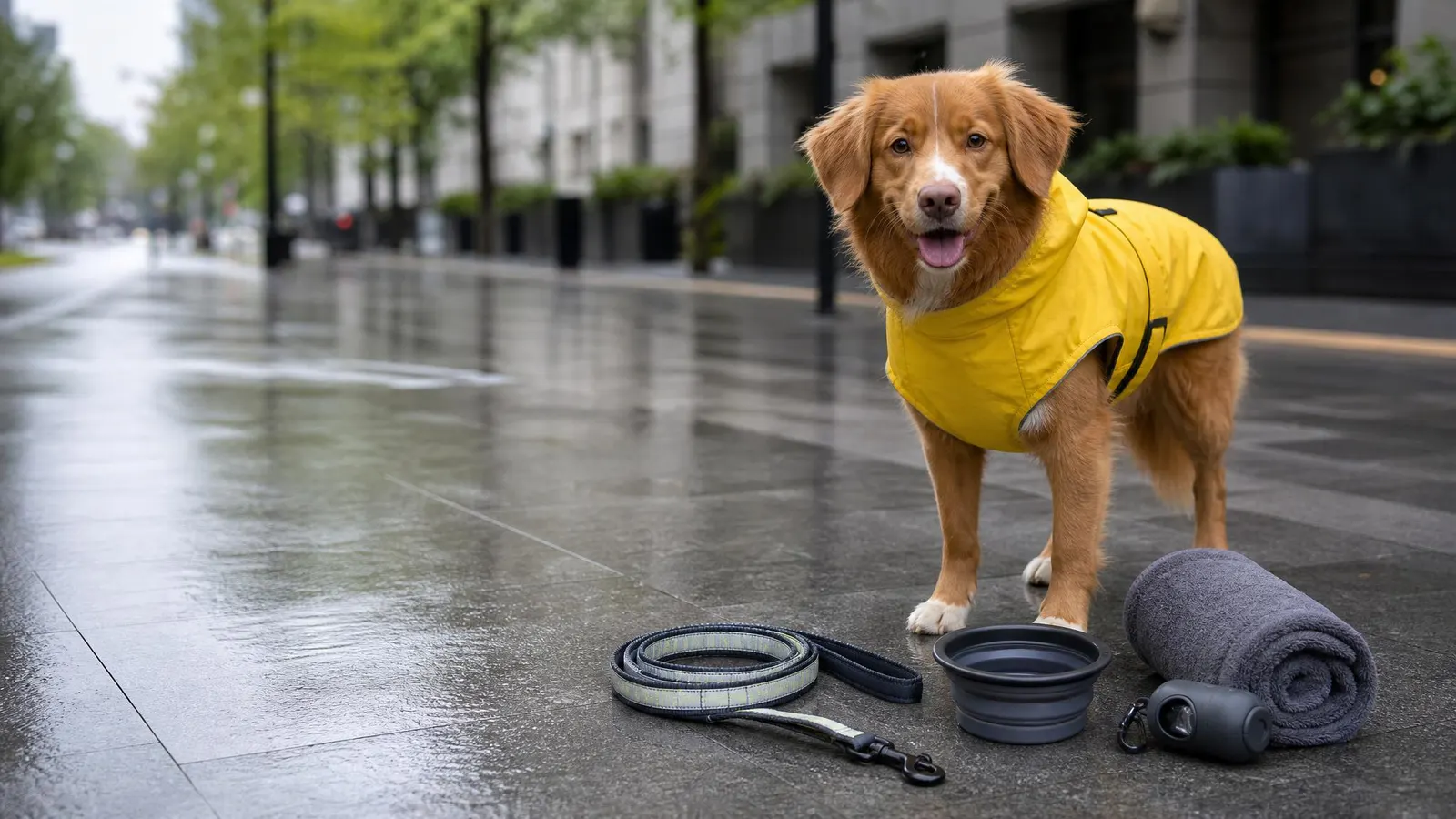
The best dog walking rain gear keeps your dog dry enough to stay comfortable, visible enough for drivers to notice, and secure enough that wet sidewalks do not turn every walk into a slip-and-slide. Start with a fitted raincoat, a grippy leash, a small towel, poop bags that are easy to open with damp hands, and reflective details for gray mornings.
This post contains affiliate links. We may earn a small commission at no extra cost to you.Rainy walks do not need a full expedition kit. Most dogs need a practical setup that makes the walk shorter, calmer, and less messy when you get home. The goal is not perfect dryness. It is fewer soggy harness straps, less mud on the floor, and a dog who still gets a bathroom break when the weather is rude.
Start With a Raincoat That Actually Fits
A good dog raincoat should cover the back without blocking the tail, rubbing the armpits, or sliding sideways when your dog shakes. Measure from the base of the neck to the base of the tail, then check chest girth before you buy. Length alone is not enough, especially for deep-chested breeds and short-legged dogs.
Look for lightweight waterproof fabric, an adjustable belly strap, and a leash opening that works with your harness. A waterproof dog raincoat is usually more useful than a heavy insulated coat unless you live somewhere cold and wet.
Skip stiff jackets that make your dog freeze in place. If your dog hates clothing, practice indoors first: coat on, treat, coat off. Keep the first outdoor test short. Dogs are more willing to accept rain gear when it predicts snacks and a quick sniff, not a long battle in the hallway.
Keep Leashes and Harnesses Grippy
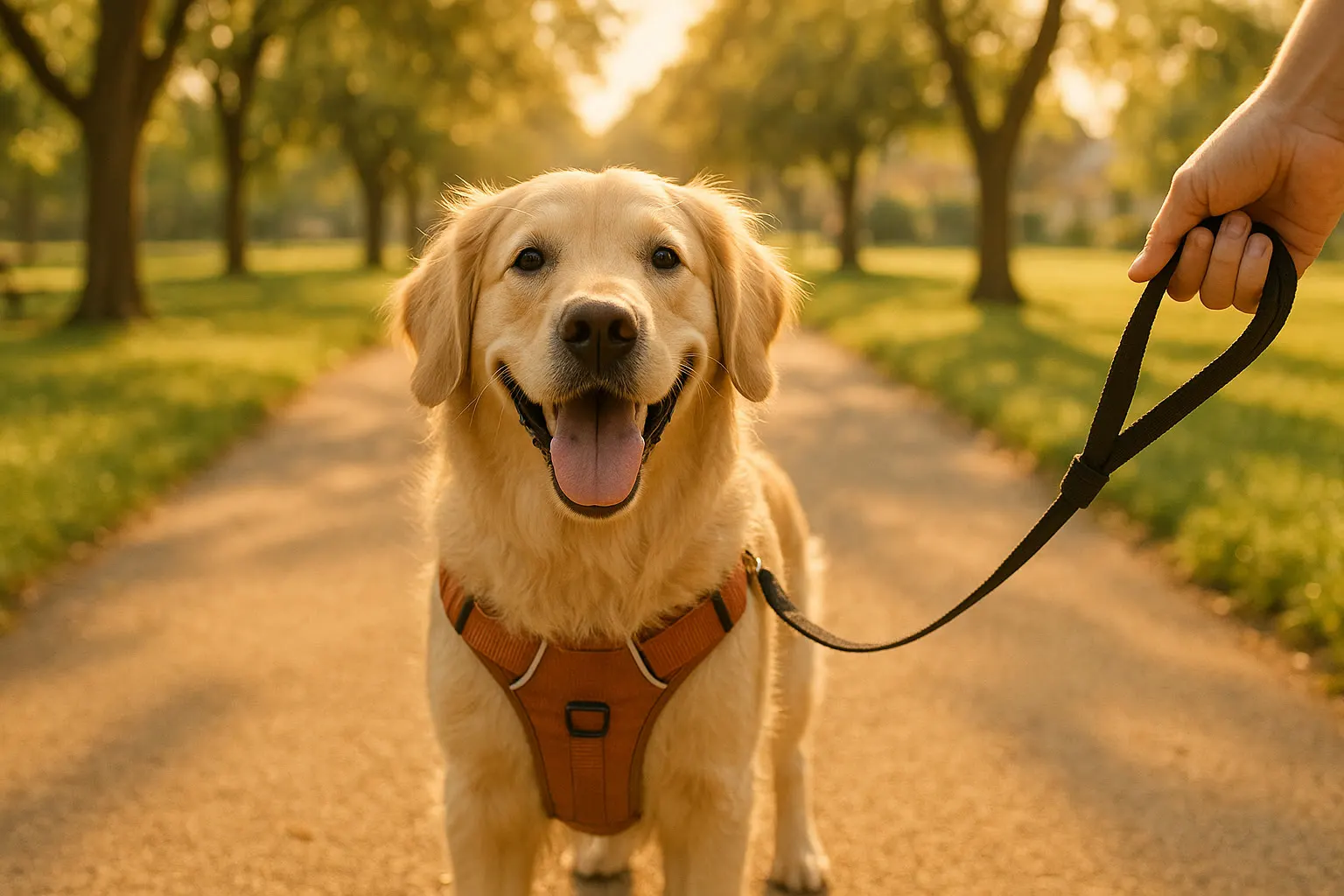
Rain makes cheap leash handles slippery. Choose a leash with a padded or textured grip so you can hold it securely when your hands are damp. A standard 6-foot leash is still the easiest everyday option because it gives your dog room to sniff without letting them build speed on slick pavement.
A reflective dog leash is a smart rainy-day upgrade because gloomy weather reduces visibility even during daylight. If your dog pulls, pair the leash with a well-fitted harness instead of relying on a collar in slippery conditions.
Harness material matters too. Thick fabric can stay wet for hours and rub behind the legs. If your usual harness soaks through, consider a simpler quick-dry design for bad weather. For more fit basics, see our guide to small dog harnesses.
Pack a Small Wet-Weather Kit
The most useful rain-walk item may be the least exciting: a towel by the door. Microfiber towels dry paws and bellies quickly, and they are easier to wash than a pile of muddy bath towels. Keep one near your leash hook so drying off becomes automatic.
For walks away from home, a small pouch can hold poop bags, wipes, treats, and a backup towel. A dog walking pouch keeps everything in one place, which matters when you are trying to open a bag in the rain while your dog investigates a puddle.
Use treats strategically. Wet weather adds distractions: umbrellas, splashing cars, storm drains, and people moving fast with hoods up. A few high-value rewards can help your dog refocus before they bark, bolt, or refuse to move.
The American Kennel Club notes that regular walks support a dog's physical and mental health, but weather and safety should shape the plan. On rough days, a short bathroom walk plus indoor enrichment is better than forcing a long, miserable loop.
Make Low-Light Walks Safer
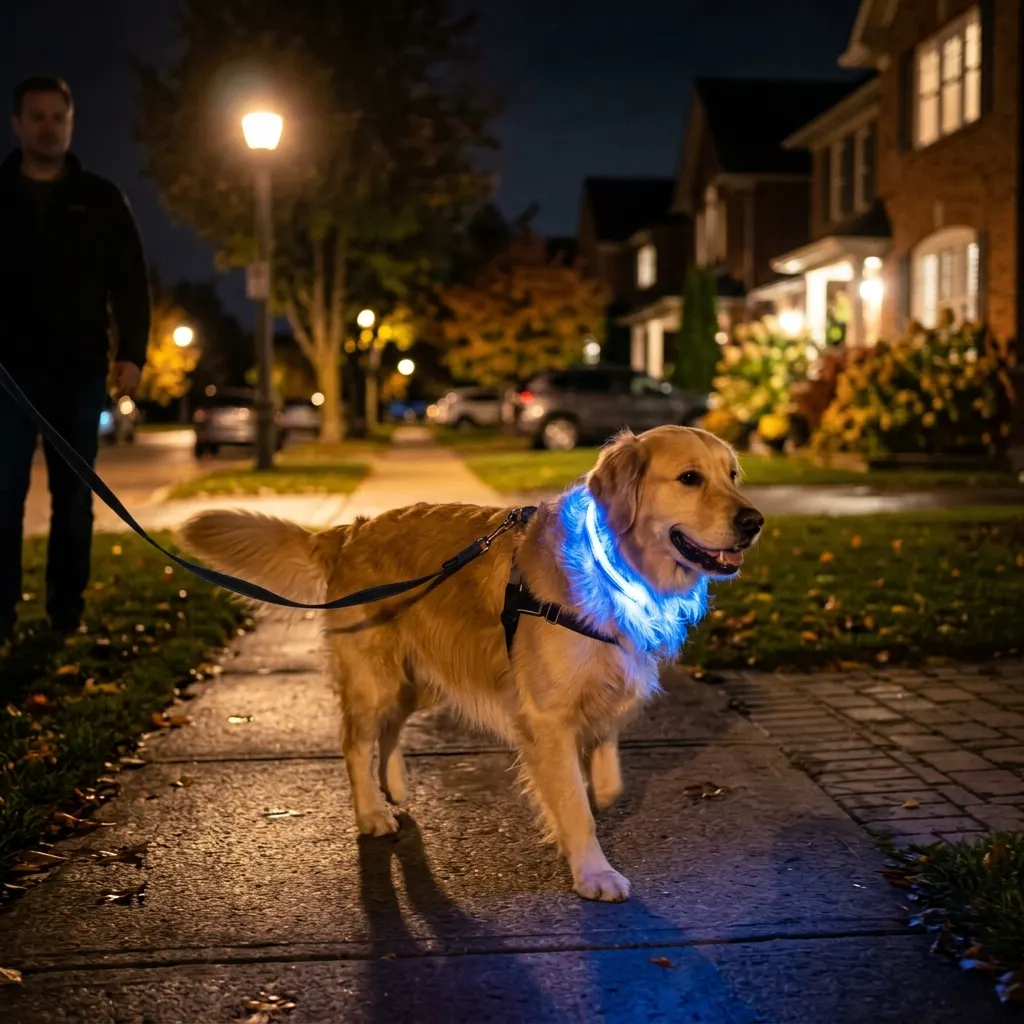
Rain often means poor visibility. Reflective trim on a coat helps, but do not make that your only safety layer. Add an LED collar, clip-on light, or reflective leash if you walk near traffic, parking lots, or shared paths.
A clip-on dog safety light is cheap, small, and useful beyond rainy days. Attach it to the harness or leash where it can be seen from the side. If your dog has long fur, check that the light is not buried under the coat.
Think about your own shoes too. A dog who suddenly stops to sniff can pull you off balance on wet leaves or painted crosswalks. Shorten the route, slow your pace, and avoid flexi leashes in bad weather. Predictable gear is safer than extra freedom when traction is poor.
FAQ
Do dogs really need raincoats?
Some dogs do, and some do not. Short-haired dogs, seniors, small breeds, and dogs who dislike getting soaked often benefit from a light raincoat. Thick-coated dogs may only need a towel afterward. Comfort is the test.
What should I do if my dog refuses to walk in rain?
Keep the first goal small: bathroom break, praise, home. Try a covered potty spot, use high-value treats, and practice wearing gear indoors. If storms or thunder are involved, do not force it. Fear needs patience, not pressure.
Is it safe to walk a dog during heavy rain?
Light rain is usually fine with the right gear, but avoid lightning, flooding, extreme wind, and icy conditions. Watch paws afterward for irritation from grit, mud, or road treatments, and dry the belly and feet when you come inside.
Good dog walking rain gear should make wet walks simpler, not turn your entryway into a supply closet. Buy the few pieces that solve real problems: a coat that fits, a leash you can grip, visibility for traffic, and a towel that is always ready by the door.