The best dog walking gear for reactive dogs gives you secure control, keeps your dog comfortable, and helps you create distance before barking, lunging, or panic takes over. Start with a well-fitted front-clip harness, a sturdy 6-foot leash, high-value treats, and visibility gear. Skip retractable leashes and harsh tools that add frustration.
This post contains affiliate links. We may earn a small commission at no extra cost to you.Reactive dogs are not "bad" dogs. They are dogs who get overwhelmed by triggers: other dogs, bikes, runners, kids, trucks, or sudden noises. The right setup will not train your dog by itself, but it can buy you the two things every calm walk needs: safety and time to think.
Here is the practical gear list that makes reactive-dog walks feel less like a daily emergency.
Start With a Secure Harness
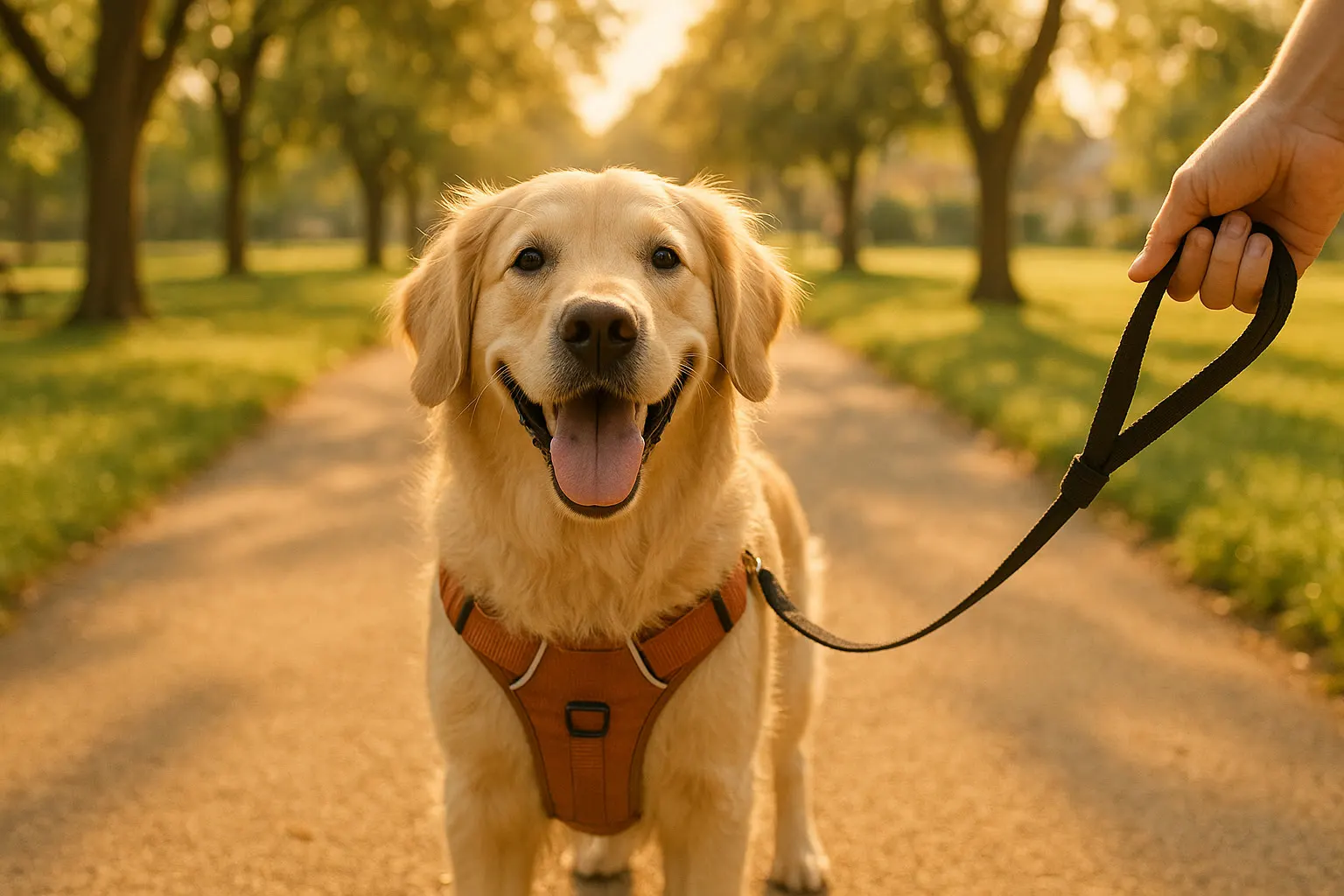
A good harness should fit snugly without rubbing behind the front legs. For reactive dogs, a front-clip option is usually the most useful because it redirects the chest when your dog surges forward. That gives you a smoother way to turn away from a trigger instead of wrestling from the collar.
Look for wide straps, several adjustment points, and hardware that feels solid in your hand. A front clip dog harness is a sensible first upgrade if your current gear gives you poor leverage.
Avoid relying on a flat collar as your only attachment point for a dog that lunges. Collars can put too much pressure on the throat, especially when a dog hits the end of the leash hard. If your dog is an escape artist, use a harness with a backup clip to a martingale collar so one equipment failure does not become a runaway situation.
For small dogs, fit matters even more. Our guide to small dog harnesses covers the basics of measuring and checking for rub points.
Choose a Leash That Helps You Create Space
Reactive-dog walks work best when the leash is boring, predictable, and strong. A standard 6-foot leash gives enough room for sniffing without letting your dog build speed before they reach the end.
Retractable leashes are the wrong tool for this job. They make distance inconsistent, are hard to shorten quickly, and can fail at the worst moment. Long lines are useful for decompression walks in open spaces, but they are not ideal for busy sidewalks or narrow trails.
A padded traffic handle leash can help in tight spots because the second handle lets you shorten your dog beside you for a few seconds. Use that handle briefly, then give slack again once the trigger passes. Constant tension tells many reactive dogs that something is wrong.
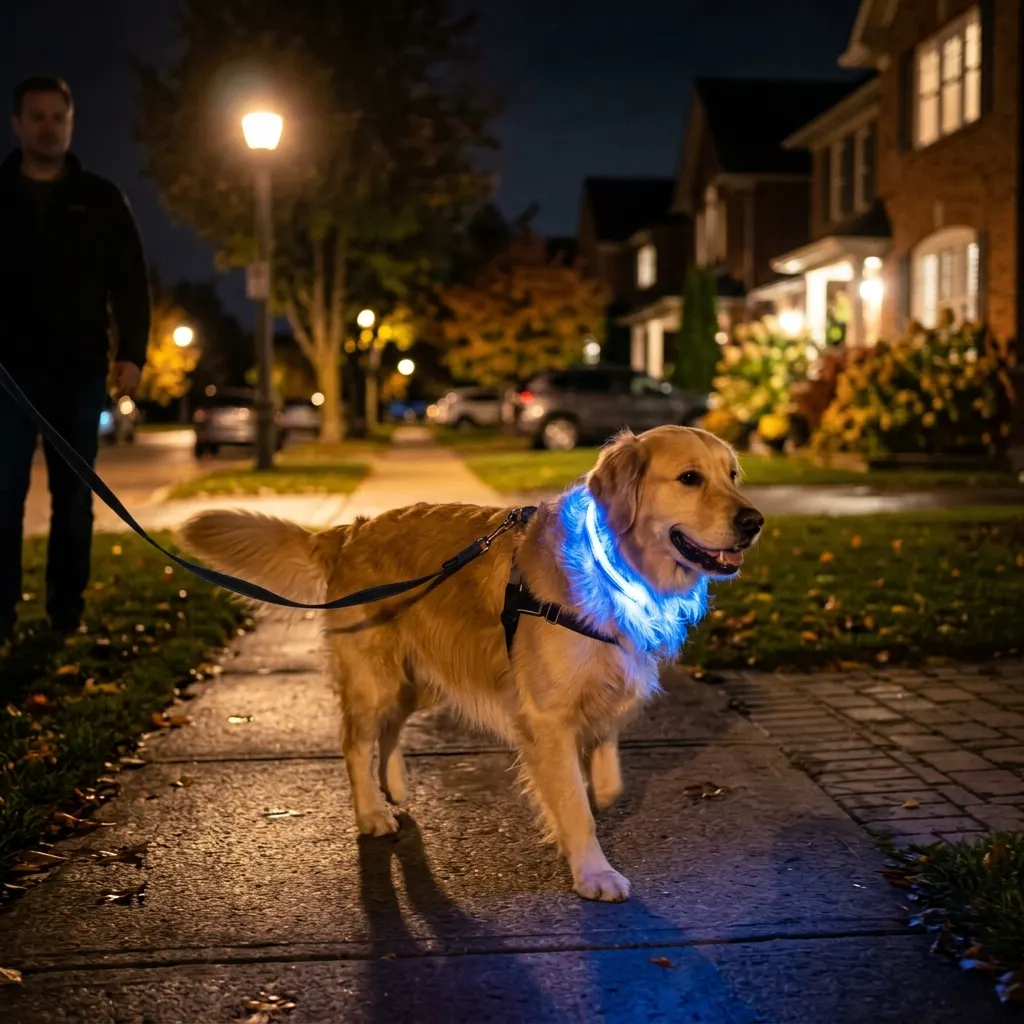
If you walk after dark, add reflective stitching or a clip-on light. Visibility gives drivers and cyclists more time to adjust, which means fewer sudden surprises for your dog.
Carry Rewards Like They Matter
For reactive dogs, treats are not bribery. They are a way to change the emotional meaning of triggers. If your dog sees another dog and chicken appears, the trigger starts to predict something good. Over time, that can reduce the explosive reaction.
The reward needs to be worth noticing. Dry biscuits often fail outside. Try tiny pieces of cooked chicken, freeze-dried liver, cheese, or a strong-smelling dog training treat pouch filled before you leave.
Timing matters. Reward when your dog notices the trigger but can still think. If they are already barking and spinning, you are too close. Move away, let the nervous system settle, and try again from a greater distance.
The American Kennel Club has a helpful overview of reactive dog training that reinforces the same idea: distance and controlled exposure matter more than forcing greetings.
Add Safety Extras for Real Life
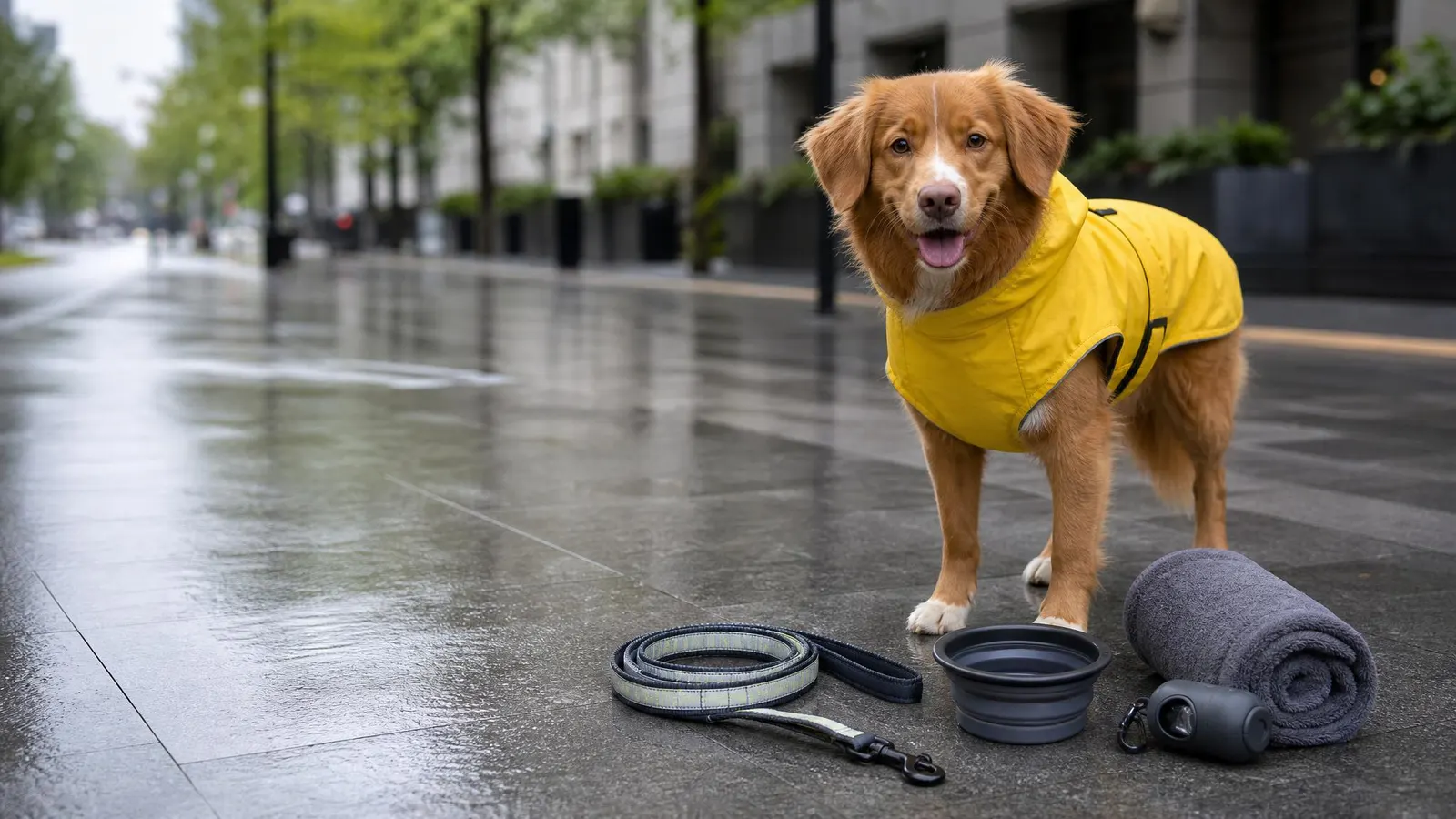
A few small items make walks calmer for everyone. A treat pouch keeps rewards accessible. A waist bag can hold poop bags, wipes, a backup slip lead, and your phone without stuffing every pocket.
If your dog has a bite history or you need more public-space confidence, muzzle training is worth considering. A basket muzzle is not a punishment when introduced slowly. It lets your dog pant, drink, and take treats while adding a safety layer.
Choose a basket muzzle for dogs with enough room for a full pant. Then condition it at home with food before using it outside. The goal is "this predicts snacks," not "this appears when life is scary."
For night walks, reflective vests, LED collars, or light-up leash clips help people see you sooner. That can prevent the surprise encounters that set reactive dogs off.
FAQ
What is the best leash length for reactive dogs?
For most sidewalks and neighborhood walks, a 6-foot leash is the safest everyday length. It gives your dog room to move without creating the slingshot effect that happens with retractable leashes or long lines in crowded areas.
Should reactive dogs wear harnesses or collars?
A harness is usually better as the main attachment point because it spreads pressure across the body and gives you more control. A martingale collar can be used as a backup attachment for dogs who slip out of harnesses, but it should not be your only plan for hard lunging.
Can gear fix leash reactivity?
No. Gear can make walks safer and easier to manage, but training changes the behavior. Use good equipment to create distance, reward calm noticing, and avoid repeated explosions. If your dog is powerful, fearful, or has bitten before, work with a certified positive-reinforcement trainer.
The right dog walking gear for reactive dogs is quiet support. It helps you turn earlier, reward faster, and keep everyone safer while your dog learns that the world outside does not have to be a fight.