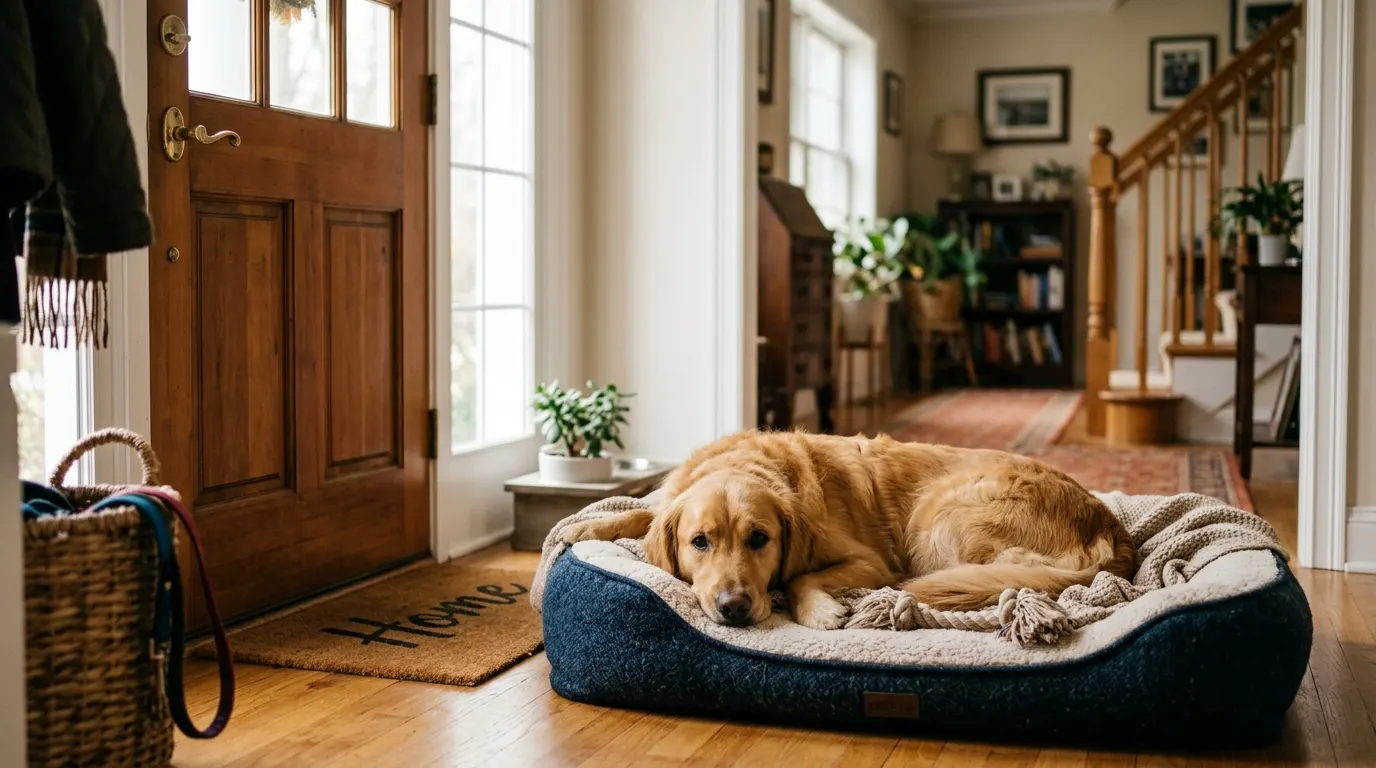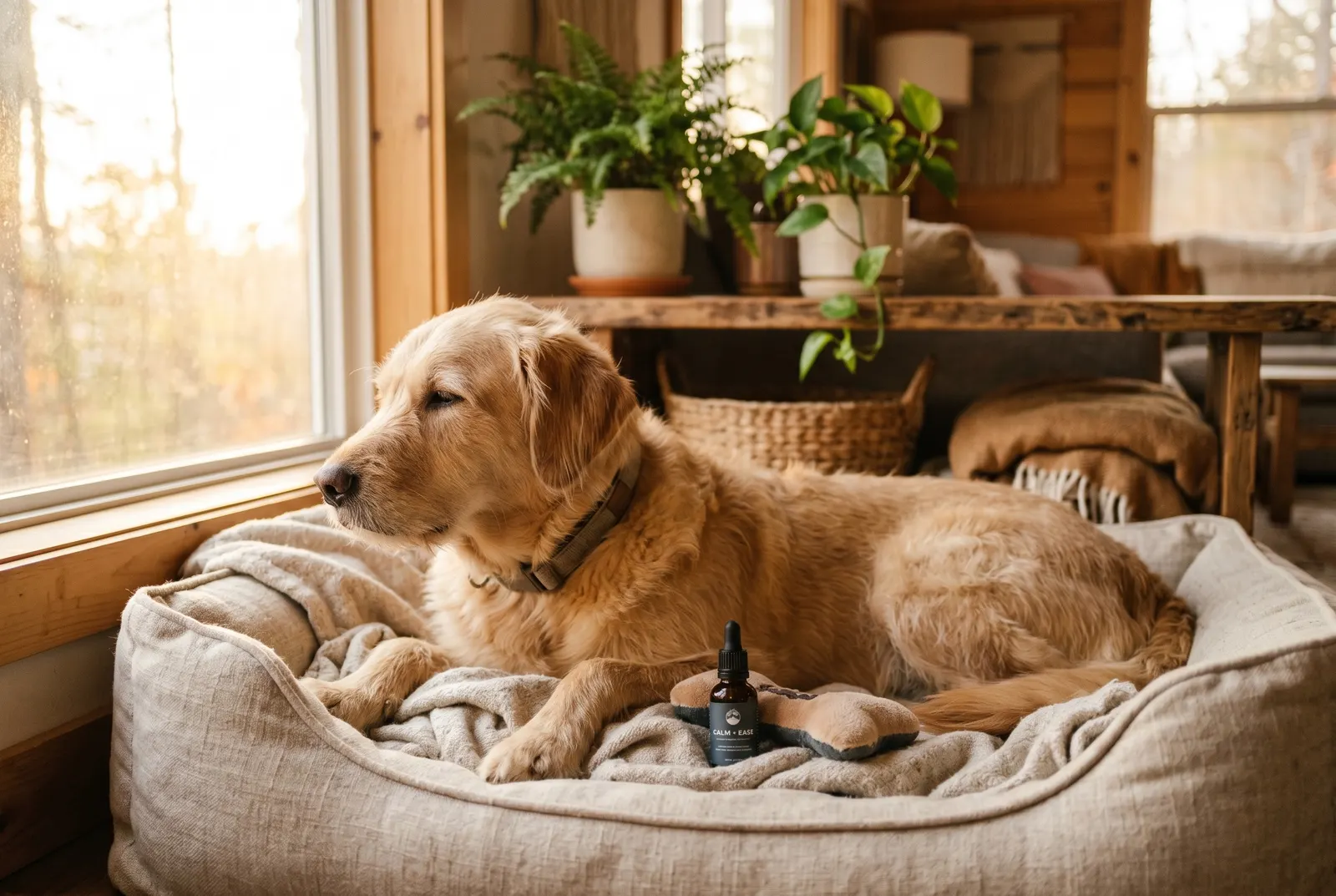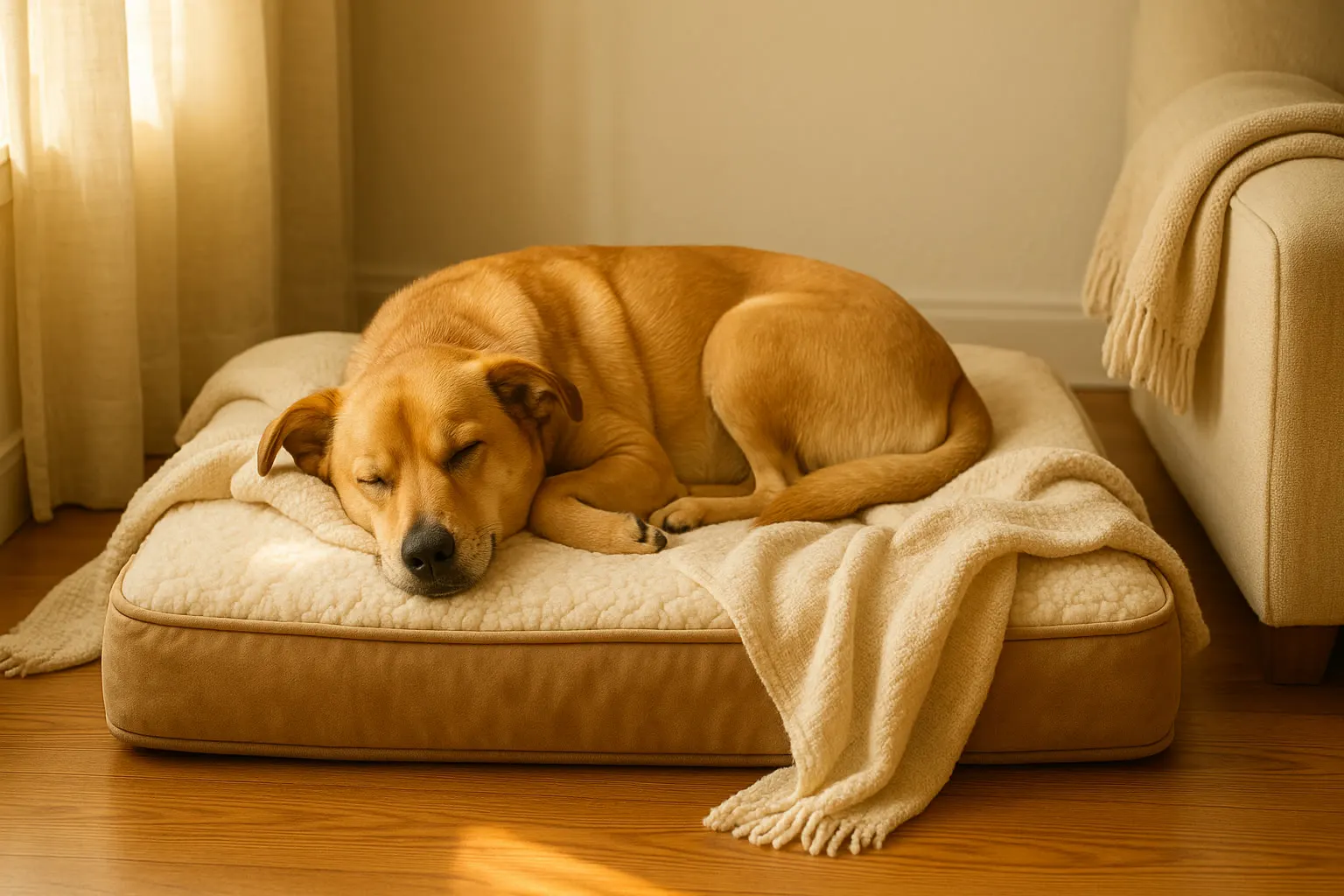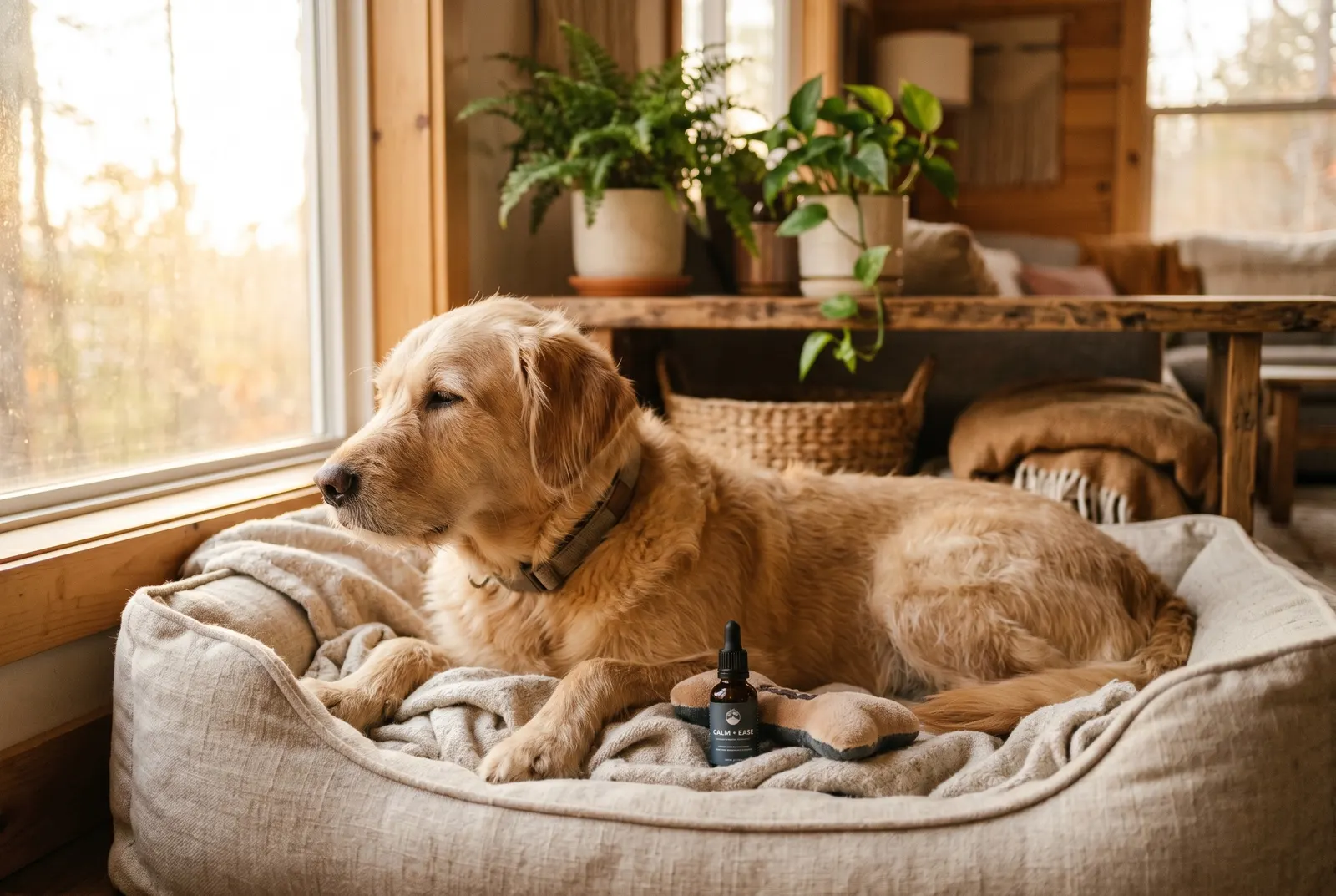
Dog anxiety blankets can help some nervous dogs settle because they create a predictable resting spot, add gentle weight or warmth, and reduce the visual busyness of a room. They work best as part of a routine: quiet space, low pressure, familiar scent, and rewards for calm behavior. They are not a cure for separation anxiety, noise phobia, or panic, but they can be a useful comfort tool.
This post contains affiliate links. We may earn a small commission at no extra cost to you.The key is choosing a blanket your dog actually likes and using it before stress peaks. If your dog only sees the blanket during thunderstorms, vet visits, or when you leave the house, it may become another stress signal. Introduce it during easy moments first.
Here is how to use dog anxiety blankets sensibly, what to buy, and when to look beyond products.
How Dog Anxiety Blankets Help
Most calming blankets work through familiarity, softness, warmth, or gentle pressure. Dogs are routine-driven. A specific blanket on the same bed or couch spot can become a cue that nothing demanding is about to happen.
Some dogs like a heavier blanket tucked loosely near their body. Others prefer a light fleece they can paw, nest, and arrange themselves. The goal is comfort, not restraint. Never wrap a dog tightly or force them to stay under a blanket if they want to move away.
A washable calming dog blanket is easiest for everyday use because nervous dogs may drool, shed, lick fabric, or have accidents during stressful events. Look for soft material, durable stitching, and a size that fits your dog's normal resting style.
If your dog tends to hide under furniture, a covered bed or crate setup may work better than a blanket alone. Our guide to separation anxiety in dogs covers the bigger routine changes that matter when stress shows up every time you leave.
Pick the Right Blanket for Your Dog
Start with texture. Some dogs love plush fleece. Others overheat quickly and need a cooler microfiber or cotton blend. If your dog already steals a certain throw blanket, that is a clue. Match the feel rather than buying the thickest option.
Size matters too. A blanket should be large enough for your dog to sprawl on, but not so huge that it bunches into a pile they avoid. Small dogs may like a blanket inside a bolstered bed. Large dogs often do better with a dedicated mat-style blanket that stays flat.
Weighted blankets require extra caution. A lightly weighted pet blanket may soothe some dogs, but the blanket should never be heavy enough to restrict breathing, walking, or standing. Avoid human weighted blankets for small dogs. If your dog has breathing issues, mobility problems, or is very young or very old, ask your vet before using weight as a calming tool.
For dogs who chew fabric, skip loose blankets when unsupervised. Choose a durable dog calming bed or crate mat instead, and remove anything your dog tries to shred or swallow.
Build a Calm Blanket Routine
Do not wait for fireworks night to introduce the blanket. Place it in your dog's favorite resting area on a normal day. Drop a few treats on it, let your dog investigate, and keep your voice casual.
Reward calm choices. If your dog steps onto the blanket, lies down, or chews a toy there, quietly praise and add a treat. You are teaching, "This spot is easy and good." A stuffed food toy or lick mat for dogs can help because licking often encourages slower breathing and settling.
During mild stress, move early. If a storm is forecast, set up the blanket before the thunder starts. Add white noise, close curtains, and offer a chew. Once your dog is already pacing or barking hard, the blanket may not compete with the adrenaline.
For separation practice, use tiny departures. Put the blanket in the calm spot, give a safe chew, step out for a few seconds, then return before panic begins. Build duration gradually. If your dog panics immediately, the issue is bigger than a product.
When a Blanket Is Not Enough
Calming products are support tools. They do not replace training, medical care, or behavior help when anxiety is intense. If your dog injures themselves trying to escape, cannot eat when alone, soils from panic, or reacts violently to noise, talk with your veterinarian.
The American Veterinary Medical Association has a useful overview of behavior problems in pets and why medical causes and fear-based behavior deserve professional attention.
You can also combine the blanket with other low-risk supports. A dog anxiety jacket may help dogs who respond well to gentle body pressure. Calming music, puzzle feeders, and predictable walks can all reduce the background stress that makes anxiety easier to trigger.
Watch your dog's feedback. If they avoid the blanket, pant more, freeze, or try to escape, stop using it and try a different comfort setup. Calming should look like soft eyes, looser muscles, slower movement, and voluntary rest.
FAQ
Do dog anxiety blankets really work?
They can help some dogs, especially when anxiety is mild or tied to restlessness, noise, or lack of a predictable safe spot. They work best with routine and positive association. They rarely solve severe anxiety by themselves.
Can I use a human weighted blanket for my dog?
Usually no, especially for small dogs. Human weighted blankets can be too heavy and may trap heat. If you want gentle pressure, choose a pet-specific option and make sure your dog can stand up, turn around, and leave freely.
Should my dog sleep with a calming blanket every night?
Yes, if your dog likes it and does not chew or overheat. Nightly use can make the blanket familiar before stressful events happen. Wash it regularly, but avoid using strong scents that may bother your dog's nose.
A good dog anxiety blanket gives your dog one more way to feel safe. Keep it soft, voluntary, and routine-based. Then use it alongside training, enrichment, and vet guidance when your dog's stress needs more than a cozy place to land.