As loving dog owners, we want to protect our companions from the itchy, irritating nuisance of fleas. But the thought of using harsh chemical treatments on our best friends can be worrying. Fortunately, nature offers a wealth of effective, gentle alternatives to keep your dog pest-free. This guide explores the best natural flea prevention strategies, from your home environment to topical treatments.
This post contains affiliate links. We may earn a small commission at no extra cost to you.Your Home: The First Line of Defense
Before you even treat your dog, start with your home. Fleas spend a significant portion of their life cycle in carpets, bedding, and furniture. A pest-free home is the foundation of a pest-free pet.
One of the simplest yet most powerful tools is your vacuum cleaner. Regular, thorough vacuuming of carpets, rugs, and upholstered furniture can remove eggs, larvae, and adult fleas. Pay special attention to areas where your dog loves to lounge. For an extra layer of protection, consider using Diatomaceous Earth (food-grade only). This fine, natural powder is made from fossilized algae and works by dehydrating fleas. Lightly sprinkle it on carpets and pet bedding, let it sit for a few hours, and then vacuum it up.
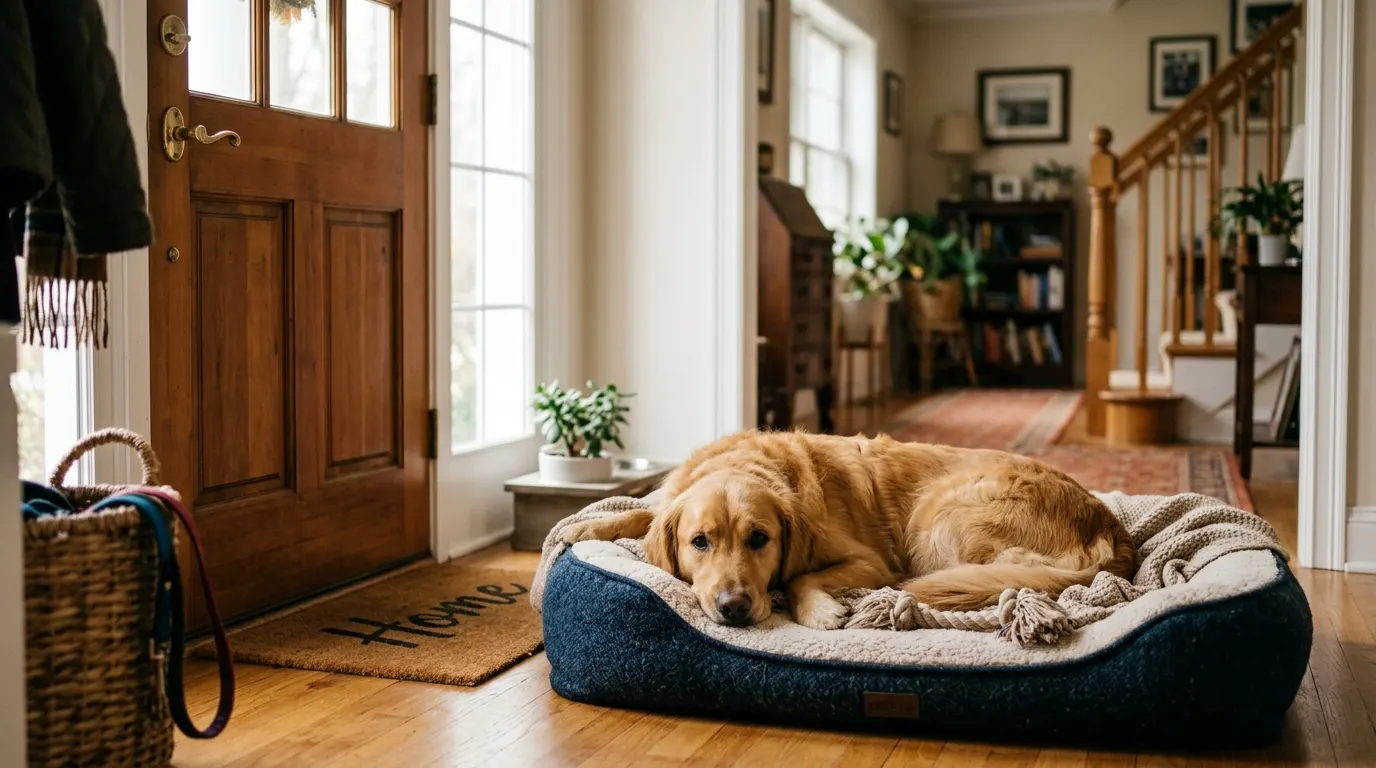
Washing your dog’s bedding in hot water at least once a week is also crucial. This kills any existing fleas and their eggs. If you're looking for durable, easy-to-clean bedding, an elevated mesh dog bed is a fantastic option, as it doesn't harbor pests as easily as plush beds.
Natural Topical Repellents
When it comes to treating your dog directly, several natural options can help repel fleas.
Flea Combs: A daily grooming session with a fine-toothed flea comb is an excellent way to catch fleas before they multiply. It's a non-invasive method that also strengthens the bond between you and your pet. Keep a bowl of soapy water nearby to drown any fleas you comb off. Apple Cider Vinegar: A 50/50 solution of raw, unfiltered apple cider vinegar and water can be used as a final rinse after a bath or sprayed lightly onto your dog’s coat before they go outside. The acidic taste is unappealing to fleas. Never spray it on open wounds or sores, and avoid their eyes. Essential Oil Sprays (With Caution): Certain essential oils like cedarwood, lavender, and lemongrass are known flea repellents. However, essential oils must be used with extreme care. They should always be heavily diluted in a carrier oil (like coconut oil) or water, and you should never use tea tree oil, which is toxic to dogs. Before using any essential oil, consult with your veterinarian to ensure it's safe for your specific dog. A great way to apply these is with a high-quality grooming brush, which can help distribute a diluted solution evenly through their coat.Diet and Health: An Inside-Out Approach
A healthy dog is less attractive to pests. A strong immune system can help your dog naturally repel fleas.
A Balanced Diet: Feeding your dog a high-quality, species-appropriate diet rich in proteins and healthy fats supports their overall health, skin, and coat. A vibrant, healthy coat is a less hospitable environment for fleas. Consider adding supplements like Omega-3 fatty acids, which can reduce inflammation from flea bites and improve skin health. Brewer's Yeast: A small amount of brewer's yeast added to your dog's food can make their blood less appealing to fleas. It's rich in B vitamins, which are beneficial for their coat. Always check with your vet for the correct dosage for your dog's size and weight.Keeping Your Yard Unfriendly to Fleas
Your yard can be a major source of flea infestations. Maintaining your outdoor space is just as important as cleaning your indoor one. Keep your grass mowed short and trim back bushes to reduce the shady, moist areas where fleas thrive.
Nematodes are microscopic organisms that you can introduce to your soil. They are natural predators of flea larvae and are completely safe for pets and humans. You can purchase them at most garden stores. Spreading cedar chips in areas where your dog likes to play can also help, as fleas dislike the smell of cedar.
By combining these natural strategies—maintaining a clean home and yard, using gentle topical repellents, and supporting your dog's health from the inside out—you can create a powerful, multi-layered defense against fleas without resorting to harsh chemicals. Your dog will thank you for the itch-free peace of mind!