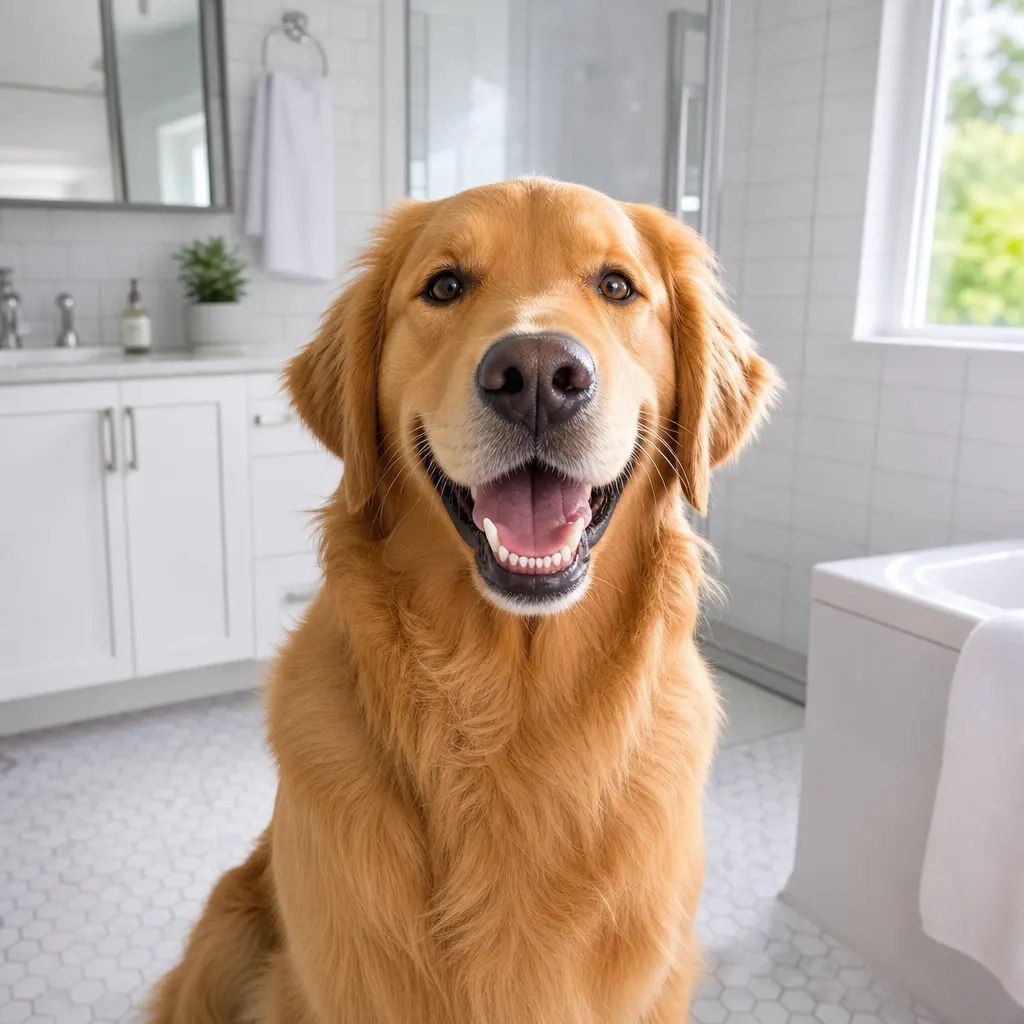
!A close-up of a healthy dog's teeth and gums
We talk a lot about our dogs' food, toys, and training, but what about their teeth? Dog dental care is one of the most overlooked aspects of pet health, yet it's critical for their overall well-being. Ignoring it can lead to painful gum disease, tooth loss, and even impact their heart and kidney health.
TL;DR: Quick Answer
The best way to ensure good dog dental care is through a combination of daily tooth brushing, providing safe dental chews, and scheduling regular professional cleanings with your vet. Just like with humans, proactive care is far more effective and cheaper than treating problems after they start.
This guide covers everything you need to know to keep your dog's mouth healthy in 2026, from the right tools to the best daily habits.
Why Dog Dental Health Matters So Much
According to the American Veterinary Medical Association (AVMA), most dogs have signs of periodontal disease by the time they are three years old. That's a staggering statistic.
Periodontal disease starts with plaque, which hardens into tartar. Tartar below the gumline causes inflammation, leading to gingivitis and eventually tooth decay and loss. The bacteria from infected gums can also enter the bloodstream, potentially damaging vital organs. The bottom line: a healthy mouth contributes to a longer, healthier life for your dog.
The Pillars of Good Dental Care
You don't need a complicated routine. Focusing on a few key habits will make a huge difference.
1. Daily Brushing: The Gold Standard
Nothing beats the mechanical action of brushing away plaque. If you can do it daily, you're already ahead of the game.
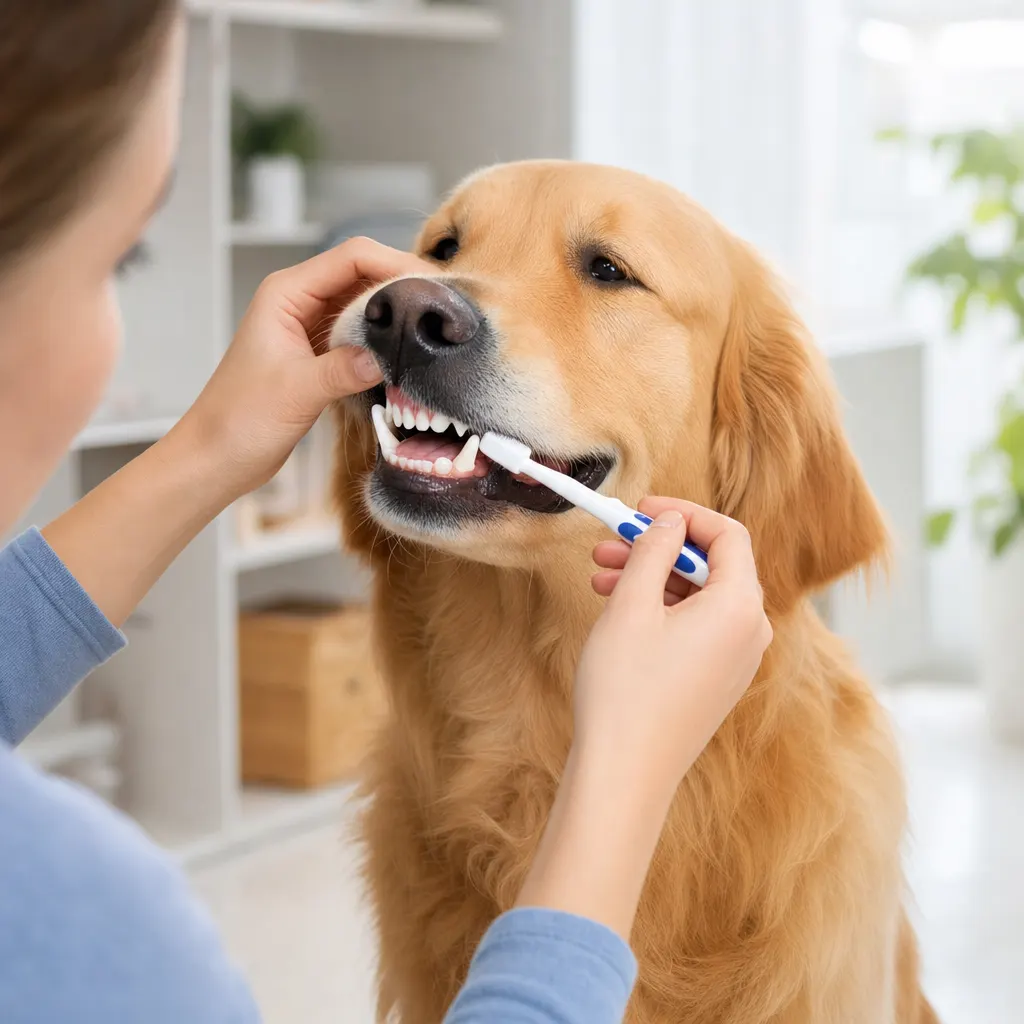
- Get the Right Tools: Don't use human toothpaste; it often contains xylitol, which is toxic to dogs. You'll need a dog-specific toothbrush and toothpaste kit. The brushes are softer and angled for a dog's mouth, and the toothpaste comes in flavors they enjoy, like poultry or beef.
- Start Slow: Let your dog lick the toothpaste off your finger first. Then, introduce the brush by letting them lick it. Gradually move to rubbing the brush gently on their teeth. Keep sessions short and positive.
- Focus on the Outside: Most tartar builds up on the outer surface of the teeth, so focus your efforts there. A quick, 30-second brush every day is more effective than a 5-minute battle once a week.
2. Dental Chews and Toys
While not a replacement for brushing, dental chews are an excellent supplement. They help scrape away plaque through chewing action.
- Choose Wisely: Look for products with the Veterinary Oral Health Council (VOHC) seal of approval. These have been proven to reduce plaque or tartar. Hard plastic toys can sometimes be too hard and fracture teeth.
- Our Favorites: Greenies Dental Treats are a popular and effective choice. For dogs who need a tougher option, consider toys designed for chewing that also have dental benefits, like those mentioned in our guide to indestructible dog toys.
- Avoid the Bad Stuff: Steer clear of real bones, antlers, and hard nylon toys that are too tough, as they are common causes of broken teeth.
3. Water Additives and Dental Diets
For dogs who absolutely refuse brushing, dental water additives can help. These products contain enzymes that help reduce bacteria and plaque in the mouth. Simply add the recommended amount to your dog's water bowl.
A dental care water additive is an easy, passive way to support their oral health. Some brands also offer prescription dental diets formulated with a specific kibble texture that helps scrub teeth as the dog eats. Talk to your vet to see if this is a good option for your pet.
Professional Vet Cleanings
At-home care is essential, but it can't replace a professional cleaning. A vet will perform a full oral exam, take X-rays to see what's happening below the gumline, and use ultrasonic scalers to remove tartar.
This is done under anesthesia for the safety and comfort of your dog, allowing for a thorough cleaning that isn't possible at home. Most dogs need their first professional cleaning between ages two and four, and then every one to two years after that, depending on their breed and at-home care routine.
FAQ
How can I tell if my dog has dental problems?
Common signs include bad breath (worse than normal "dog breath"), red or swollen gums, yellow or brown tartar buildup on teeth, reluctance to eat hard food, and drooling more than usual.
Are "anesthesia-free" dental cleanings safe?
Most veterinarians advise against them. These procedures only clean the visible part of the tooth and don't address the critical area below the gumline where periodontal disease takes hold. They can also be stressful and painful for the dog.
What are the best chew toys for cleaning teeth?
Look for toys with varied textures that can get into crevices. Rubber toys with nubs or ridges are excellent. Tough nylon toys can also work, but always supervise your dog to ensure they aren't breaking off and swallowing large pieces.
Taking a few minutes each day for your dog's dental care can save them from pain and save you from expensive vet bills down the road. A healthy smile is a sign of a happy dog!