Grooming your dog at home can feel like a daunting task, but with the right tools and a little patience, it can be a rewarding experience for both you and your pup. Not only does it save you money on professional grooming bills, but it's also a fantastic way to strengthen your bond.
This post contains affiliate links. We may earn a small commission at no extra cost to you. The quick answer: to successfully groom your dog at home, focus on regular brushing, proper bathing techniques, gentle nail trims, and routine ear cleaning. Start slowly, use positive reinforcement, and invest in a few quality tools like a slicker brush, nail clippers, and dog-specific shampoo. Consistency is key to making grooming a stress-free routine.Ready to become your dog's favorite stylist? Let's dive into the essentials of DIY dog grooming.
1. Brushing: Your First and Most Important Step
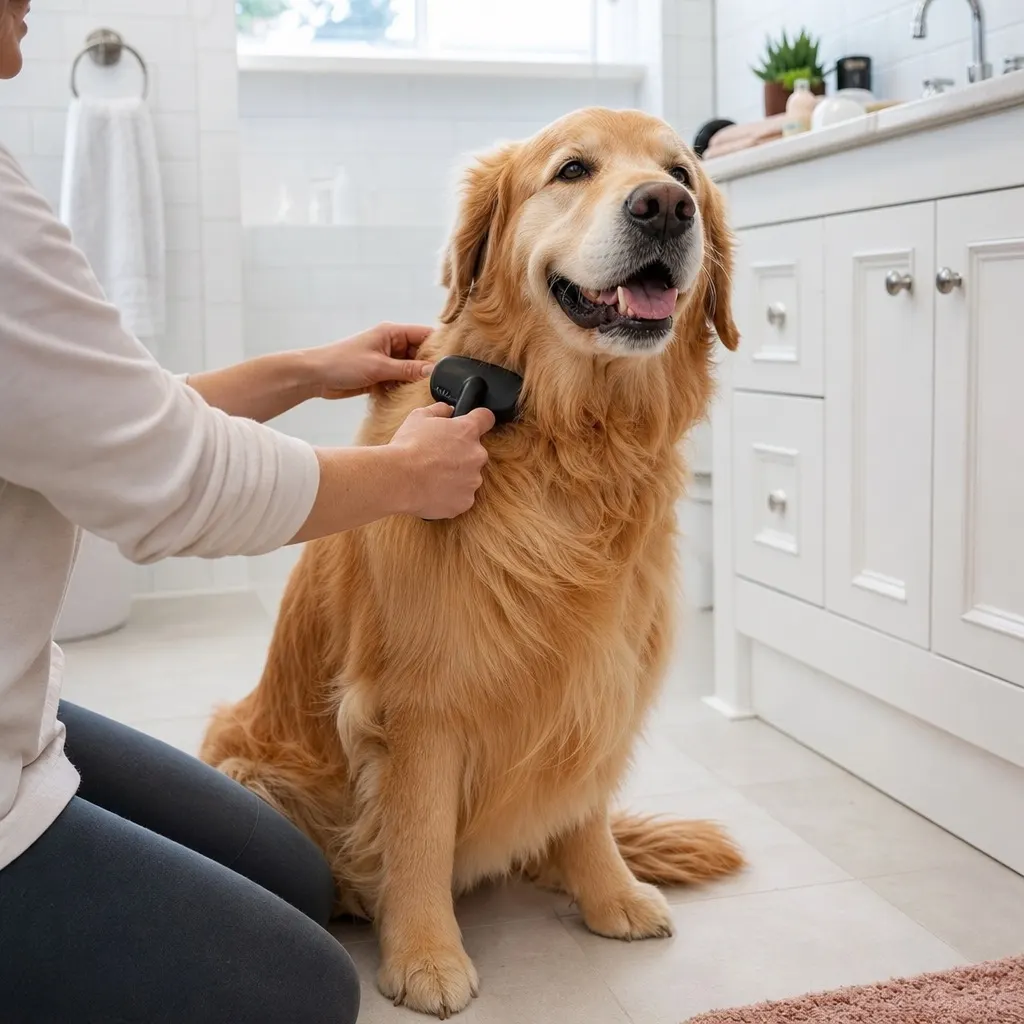
Regular brushing is the cornerstone of at-home grooming. It removes loose fur, prevents mats, distributes natural oils, and keeps your dog's coat healthy and shiny. The type of brush you need depends on your dog's coat.
- Slicker Brushes: Ideal for medium to long-haired dogs or those with curly coats (like Poodles and Doodles). They are great for removing tangles and mats.
- Bristle Brushes: Best for short-haired, smooth-coated dogs like Beagles or Greyhounds. They help remove loose hair and stimulate the skin.
- Undercoat Rakes: A must-have for double-coated breeds like Huskies, German Shepherds, and Golden Retrievers to remove the dense, fluffy undercoat during shedding season.
Aim to brush your dog at least a few times a week. For long-haired breeds, daily brushing is best to prevent painful matting. A good quality grooming brush set is a worthwhile investment.
2. Bath Time Bliss: How to Wash Your Dog Properly
Bathing removes dirt and dander, but overdoing it can strip your dog's skin of its natural oils. For most dogs, a bath every 1-3 months is plenty, unless they get particularly dirty.
- Choose the Right Shampoo: Always use a shampoo specifically formulated for dogs. Human shampoos have a different pH and can irritate their skin. Look for oatmeal-based shampoos for sensitive skin.
- Protect Their Ears and Eyes: Place a small cotton ball in each ear to keep water out and avoid spraying water directly in their face.
- Lather and Rinse Thoroughly: Work the lather from their neck down to their tail. Rinse, rinse, and rinse again! Leftover shampoo residue is a common cause of skin irritation.
- Towel and Air Dry: Gently towel dry your pup as much as possible. If you use a hairdryer, make sure it's on the lowest heat and speed setting to avoid burns.
3. Nail Care: Trimming Without Trauma
Nail trimming is often the most dreaded grooming task. If you can hear your dog's nails clicking on the floor, they're too long.
- Get the Right Tool: Choose between scissor-style clippers or a grinder. Grinders offer more control and are great for smoothing edges, but the noise can bother some dogs.
- Know Where to Cut: On light-colored nails, you can see the "quick," a pink area containing nerves and blood vessels. Cut just before the quick. For dark nails, be cautious and trim small bits at a time.
- Keep Styptic Powder Handy: If you accidentally cut the quick, don't panic. Applying styptic powder will stop the bleeding quickly. A good pair of dog nail clippers with a safety guard can help prevent accidents.
Check out our guide on calming anxious dogs for more tips on making nail trims a more peaceful experience.
4. Essential Ear and Dental Care
Don't forget the smaller details! Healthy ears and teeth are crucial for your dog's overall well-being.
- Ear Cleaning: Check your dog's ears weekly for redness, odor, or discharge. Clean them with a cotton ball and a veterinarian-approved ear cleaning solution. Never insert anything deep into the ear canal.
- Dental Health: Brushing your dog's teeth several times a week with a dog-specific toothpaste can prevent tartar buildup and dental disease. You can also supplement brushing with dental chews and toys.
Frequently Asked Questions
How can I make my dog enjoy grooming?
Start slowly and use lots of positive reinforcement. Keep sessions short and fun. Reward your dog with treats and praise for calm behavior. Never force them; if they are too stressed, take a break and try again later.
What are the most essential grooming tools for a beginner?
A beginner should start with a good quality slicker brush, dog nail clippers, a dog-specific shampoo, and an ear cleaning solution. These four items will cover the most critical grooming needs for most dogs.
How often should I groom my dog at home?
Brushing should be done several times a week (or daily for some breeds). Bathing should be done every 1-3 months. Nail trims are typically needed every 3-6 weeks. Ears should be checked and cleaned weekly.
For more information on dog health, we recommend checking out the American Kennel Club's Health resources.