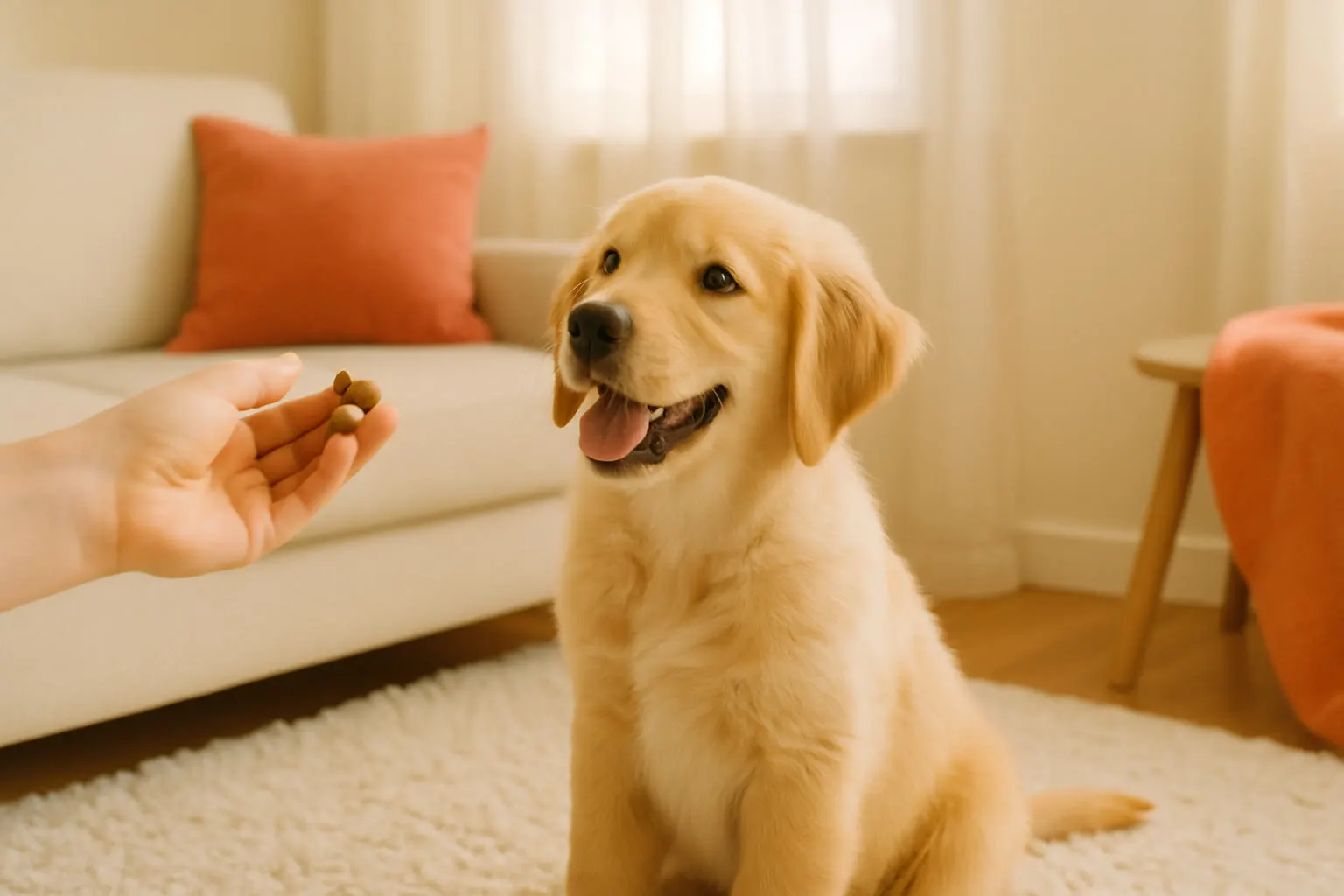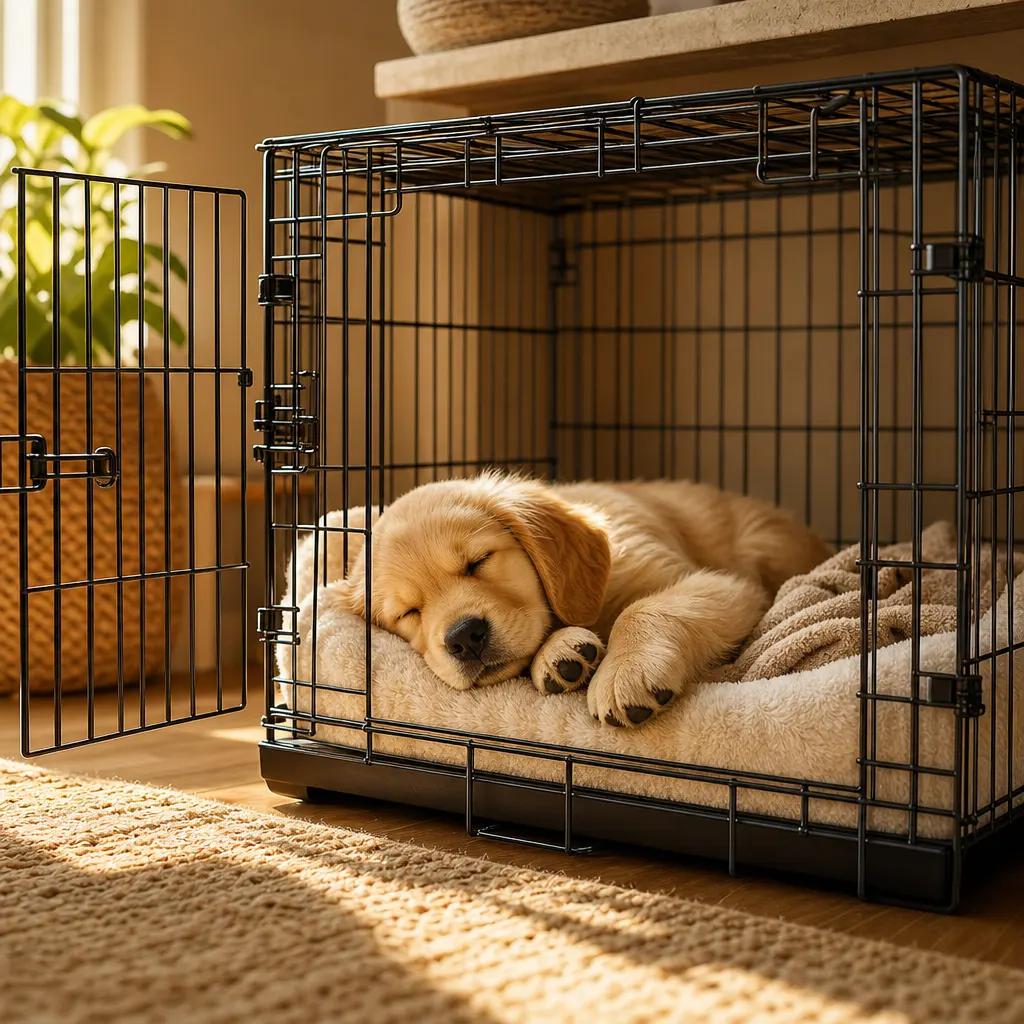
Crate training can be a lifesaver for both you and your dog. When done right, a crate becomes a safe, cozy den—a private space where your pup can relax. But when it goes wrong, it can feel like a battle of wills. If you're struggling, don't worry. Most issues stem from a few common, and easily fixable, mistakes.
This post contains affiliate links. We may earn a small commission at no extra cost to you. The quick answer: The biggest crate training mistakes are using it for punishment, leaving your dog in too long, choosing the wrong size, and rushing the introduction. By avoiding these pitfalls, you can transform the crate from a cage into a comforting den your dog loves.Let's break down the most frequent missteps and how to correct them to get your training back on track.
1. Using the Crate as Punishment
This is the number one rule of crate training: the crate should never be used for timeouts or punishment. Your goal is to build a positive association. The crate is a happy place, a sanctuary. If you send your dog there when they've been naughty, they'll learn to associate it with fear, anxiety, and isolation.
The Fix: If you need to confine your dog for a moment, use a separate, neutral space like a puppy-proofed bathroom or a playpen. Reserve the crate exclusively for positive experiences, like feeding, naps, and special treats.2. Leaving Your Dog in for Too Long
A crate is a temporary management tool, not a full-time dog-sitter. Leaving a dog crated for eight or ten hours a day while you're at work is a recipe for anxiety, frustration, and potential accidents. Puppies, in particular, have small bladders and can't hold it for that long.
The Fix: Follow a general rule of thumb for puppies: they can hold their bladder for their age in months plus one hour (e.g., a 3-month-old puppy can go about 4 hours). For adult dogs, more than 4-5 hours at a stretch is pushing it. If you have a long workday, hire a dog walker or ask a friend to provide a midday potty break.3. Choosing the Wrong Size Crate
Bigger isn't always better when it comes to crates. A crate should be just large enough for your dog to stand up, turn around, and lie down comfortably. If it's too big, they may decide to use one end as a bedroom and the other as a bathroom, which defeats the purpose of house training.
The Fix: Measure your dog and buy the appropriate size. Many wire crates, like the popular MidWest Homes for Pets iCrate, come with a divider panel. This allows you to buy a crate that will fit your dog when they're fully grown and adjust the space as they get bigger. This saves money and ensures a perfect fit at every stage.4. Rushing the Introduction Process
You can't just unbox a crate, shove your dog inside, and hope for the best. A proper introduction takes time and patience. Forcing them in too quickly can create a negative association from the very beginning.
The Fix: Go slow. Start by simply placing the crate in your living area with the door open. Toss high-value treats inside. Feed them their meals in the crate. Let them explore it on their own terms for a few days before you even try closing the door. The American Kennel Club (AKC) offers a great step-by-step guide to make the process smooth and positive.5. Making the Crate Boring (or Uncomfortable)
Would you want to hang out in a bare, hard plastic box? Probably not. An empty crate isn't very inviting. Your dog needs a reason to want to go in there.
The Fix: Make it the coziest spot in the house! Add a comfortable, washable crate bed or mat. More importantly, make it the place where the best things happen. Provide a special, high-value toy that they only get in the crate, like a frozen KONG Extreme Toy filled with peanut butter. This turns crate time into a rewarding puzzle.6. Making a Big Deal Out of Departures and Arrivals
Long, emotional goodbyes or overly enthusiastic greetings can heighten your dog's anxiety about being left alone. If you make your departure seem like a tragic event, your dog will pick up on that stress.
The Fix: Keep it low-key. A few minutes before you leave, calmly put your dog in their crate with their special toy. Then, leave without any fanfare. When you return, don't rush to the crate immediately. Let them out after a minute or two, and keep your greeting calm. This teaches them that your comings and goings are normal, not a source of stress.7. Letting a Crying Dog Out Immediately
This is a tough one, but it's crucial. If your dog whines or barks and you immediately let them out, you're teaching them that making noise is the key to getting what they want.
The Fix: Wait for a brief moment of silence before opening the door. Even a few seconds of quiet is enough. This rewards the calm behavior, not the fussing. Important Caveat: Make sure all their needs have been met first (they've had a potty break, have water, etc.). A puppy genuinely needing to go out is different from a dog barking for attention. You'll learn to distinguish the two. For dogs with true anxiety, you may want to look into calming products to help ease their stress.Frequently Asked Questions
Q1: Can I crate my dog at night?
A1: Yes, absolutely! Crating your dog overnight is a great way to prevent accidents and keep them safe while you sleep. Place the crate in your bedroom so they feel close to you. Most dogs sleep soundly through the night once they are accustomed to the routine.Q2: My rescue dog hates the crate. Is it too late?
A2: It's never too late, but you may need more patience. Your rescue dog may have had negative experiences with confinement. Go back to square one with a very slow, positive introduction. Focus on making the crate an overwhelmingly positive place with high-value treats and zero pressure.Q3: What if my dog is destructive in the crate?
A3: This is often a sign of separation anxiety or boredom. First, ensure they are getting enough physical and mental exercise outside the crate. Second, provide crate-safe, indestructible toys to keep them occupied. If the behavior is severe, it's best to consult with a professional dog trainer or veterinarian.By avoiding these common mistakes, you're not just training your dog; you're providing them with a valuable life skill and a space they can truly call their own.