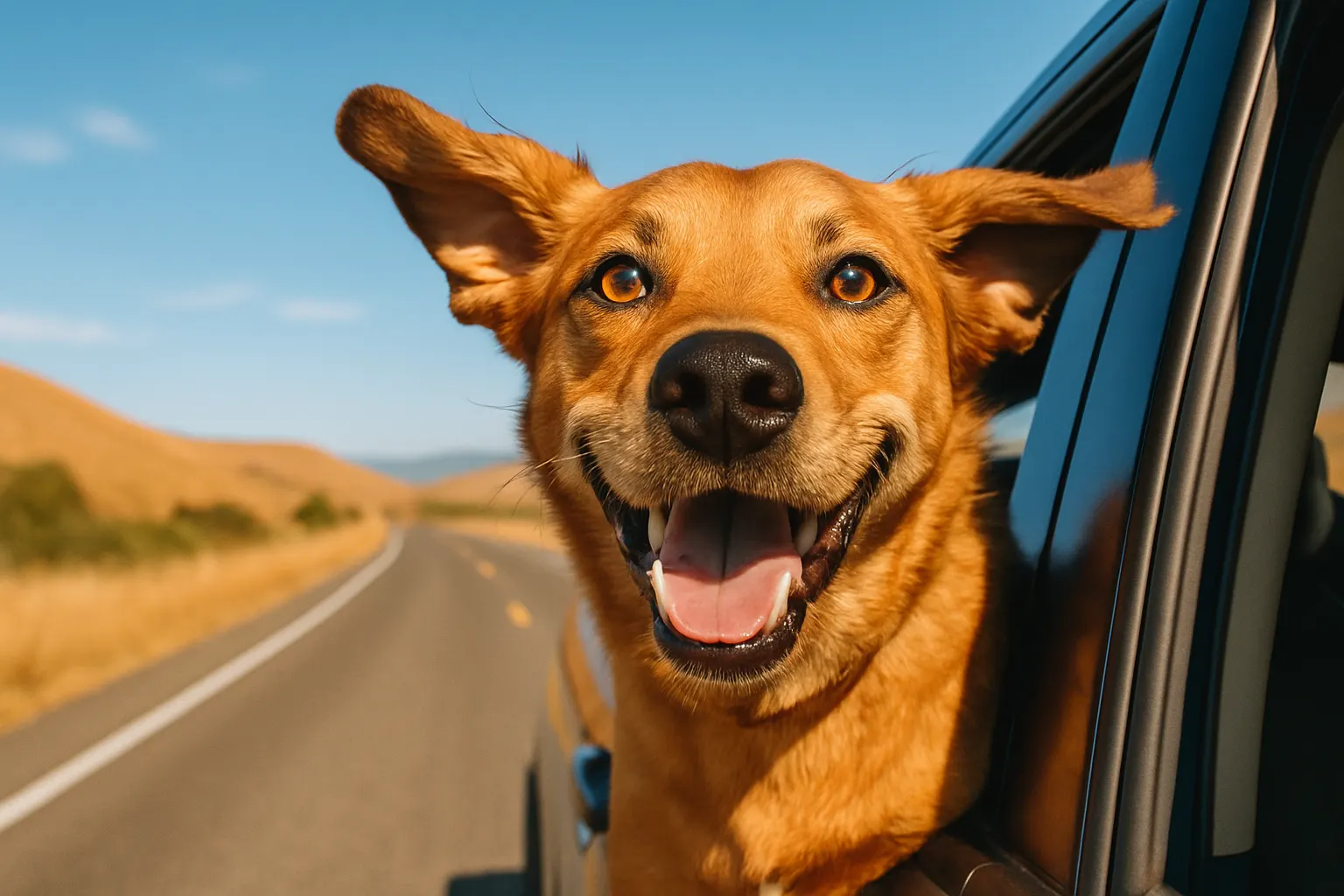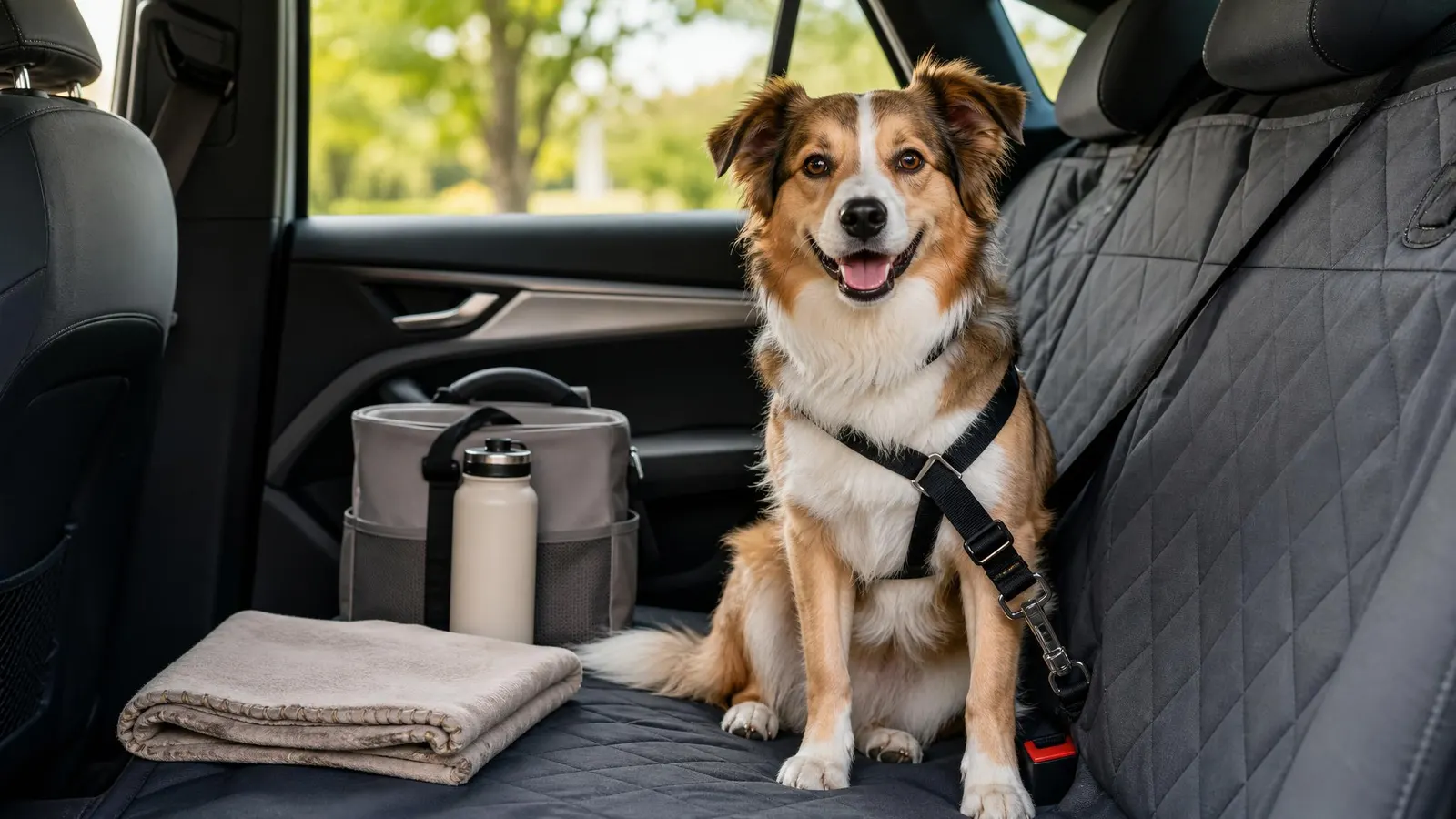
The best dog car seat covers protect your upholstery, keep paws from sliding around, and make quick errands or long road trips less stressful. For most owners, the safest pick is a waterproof hammock-style cover with seat anchors, side flaps, nonslip backing, and openings for a crash-tested dog seat belt. Skip thin blanket-style covers if your dog sheds heavily, drools, gets carsick, or hops in after muddy walks.
This post contains affiliate links. We may earn a small commission at no extra cost to you.A car seat cover will not replace a restraint. Think of it as the washable base layer: it catches hair, grit, water, and claw marks while giving your dog a steadier surface. Pair it with a harness and seat belt attachment so your dog is not roaming the cabin while you drive.
Here is how to choose a cover that actually holds up.
Choose the Right Seat Cover Style
Most dog car seat covers come in three shapes: bench, hammock, and bucket seat. Bench covers lie flat across the back seat. They are easy to install, but they leave the footwell open, which can be a problem for dogs who slide forward during braking.
Hammock covers attach to the front and rear headrests, creating a soft barrier between the back seat and front seats. This is the best everyday option for many dogs because it protects more surface area and helps prevent sudden tumbles into the footwell. A dog car seat hammock is especially useful for medium and large dogs.
Bucket seat covers are better for single-dog setups in the front passenger seat or captain's chairs. Use them carefully. Many safety groups recommend keeping dogs in the back seat because front airbags can injure pets. If your vehicle layout gives you no other option, disable the passenger airbag only if your owner's manual allows it.
For bigger travel planning, pair your setup with our dog road trip checklist before you pack the car.
Look for Waterproof Fabric and Real Anchors
The difference between a good cover and a frustrating one is not the marketing photo. It is the hardware. Look for seat anchors that tuck into the gap between the seat back and cushion. These keep the cover from sliding every time your dog turns around.
Waterproof fabric matters even if your dog is usually clean. Rain, beach days, snow, drool, and accidents all happen in cars. Quilted Oxford-style polyester is common because it is durable, dries quickly, and resists light claw pressure. A fully waterproof dog back seat cover is worth the small upgrade over a basic cloth cover.
Check for nonslip backing, reinforced seams, and side flaps that protect the seat edges when your dog jumps in. Side flaps also help older dogs because they create a more predictable landing surface instead of a slippery leather edge.
If your dog sheds heavily, avoid deep channels and plush textures that trap hair. Smooth quilted panels are easier to vacuum. Machine-washable covers are convenient, but read the care label. Some waterproof coatings last longer with gentle washing and air drying.
Do Not Ignore Seat Belt Access
A cover is only useful if it still lets you restrain your dog. The best dog car seat covers have Velcro or zipper openings for seat belt buckles. Those openings should sit where your vehicle's buckles actually are, not three inches away under a flap you have to fight with every trip.
Use a well-fitted travel harness with a short tether that clicks into the seat belt buckle or loops through the belt. The tether should prevent roaming without locking your dog into an uncomfortable posture. For many dogs, the sweet spot is enough slack to sit and lie down, but not enough to climb into the front seat.
The American Veterinary Medical Association's pet travel guidance is clear about planning ahead for safe trips, identification, and health needs. Equipment helps, but preparation matters too.
If your dog is nervous in the car, add calm practice sessions while parked. Sit in the back seat, feed treats, clip the harness, unclip, and leave. Then try short drives around the block. A cover that smells familiar can become part of the routine instead of another new object.
Match the Cover to Your Dog's Mess
Different dogs create different problems. A short-haired dog may leave needle-like fur that embeds in fabric. A long-haired dog may shed clouds that need frequent vacuuming. A senior dog may need more grip. A puppy may need waterproof protection more than anything else.
For muddy dogs, choose a cover with raised edges or side panels and keep a towel in the car. For carsick dogs, prioritize waterproofing and quick removal. For dogs who chew, skip dangling straps and store loose buckles out of reach when the car is parked.
A portable dog travel water bottle and wipes can make the same setup work for parks, vet visits, and weekend trips. The less gear you have to improvise, the easier it is to keep rides calm.
Measure your back seat before ordering. Many covers claim to fit most cars, but compact sedans, trucks, and SUVs vary. Check width, headrest placement, and whether your rear seats split-fold. If you use child seats, make sure the cover does not interfere with their installation.
FAQ
Are hammock dog car seat covers safe?
They can be safe when used with a dog harness and seat belt restraint. A hammock cover helps protect the footwell, but it should not be the only thing keeping your dog in place during sudden stops.
Can I use a regular blanket instead?
A blanket is fine for a quick layer of hair protection, but it slides, bunches, absorbs moisture, and does not provide seat belt access. For regular car rides, a fitted waterproof cover is easier to clean and more stable.
How often should I wash a dog car seat cover?
Vacuum it weekly if your dog rides often, then wash it whenever it smells, gets muddy, or has visible stains. Let it dry fully before reinstalling so trapped moisture does not sit against your upholstery.
The best dog car seat covers are boring in the right way. They stay put, wipe clean, let the restraint system work, and make it easier to say yes when your dog wants to come along.